|
How Does an Electric Actuator Work?
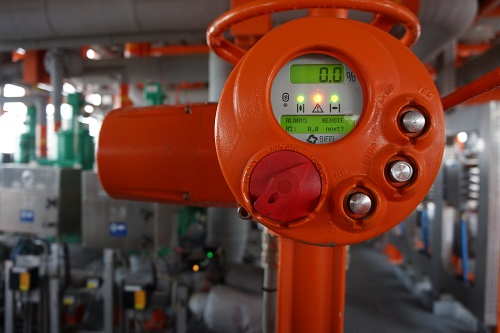
An electric actuator is a mechanical device used to convert electricity into kinetic energy in either a single linear or rotary motion. It automates the damper or valve in order to increase process efficiency and complexity. Designs for electric actuators are based on the specific tasks they accomplish within the processes for which they’re intended, and they can vary in several dimensions.
There are now more applications for electric actuators due to the movement toward massively increased decentralization taking place in automation technology. New process controllers can now be equipped on last-generation electric actuators, which makes it simpler to meet recently updated automation standards. Thanks to failsafe capabilities that preserve user control over the process even in the event of power loss, using electric actuators is now safer than ever before.
Components of Electric Actuator
Electric actuators have several components that combine to convert electrical energy into mechanical motion. The specific components of an electric actuator may vary depending on the type and application of the actuator, but here are some of the common components found in most electric actuated valves by different valve manufacturers:
- Motor - This is the primary component that converts electrical energy into mechanical energy. The motor can be an AC or DC motor, and it can be configured to provide rotational or linear motion.
- Gearbox - In some electric actuators, a gearbox amplifies the output torque or changes the direction of motion. The gearbox consists of a set of gears that mesh with each other to increase or decrease the rotational speed or torque.
- Control unit - The control unit is responsible for managing the electrical signal that controls the motor. It can be a simple switch or a more complex electronic controller that can adjust the actuator’s speed, direction, and position.
- Mounting bracket - This component attaches the actuator to the mechanism or structure it is designed to move. The mounting bracket can be customized to fit specific applications.
- Actuator body - This is the outer casing that contains all the components of the electric actuator. It protects and supports the internal components and may include features such as seals or covers to protect the actuator from environmental factors.
Functionality of Electric Actuator Work
There are several types of electrical actuators, but the most common ones work based on the principles of electromagnetism or piezoelectricity.
- Electromagnetic actuators consist of a wire coil wrapped around a magnetic core. When an electrical current is passed through the coil, it creates a magnetic field that interacts with the magnetic core, causing it to move. The amount and direction of the movement depend on the polarity and strength of the magnetic field, as well as the physical characteristics of the actuator.
- Piezoelectric actuators use a material, such as quartz or ceramic, that generates an electric charge when it is subjected to mechanical stress. When a voltage is applied to the material, it causes it to expand or contract, generating mechanical motion. The amount and direction of the motion depend on the polarity and magnitude of the applied voltage, as well as the physical characteristics of the actuator.
In both types of electrical actuators, the motion generated can be used to control the movement of a mechanism. This is achieved by connecting the actuator to the mechanism using a mechanical linkage or coupling, which allows the motion of the actuator to be transmitted to the mechanism. Based on our knowledge, the leading companies in Electrical actuator construction are Biffi and Rotork. The figures below show both models
|
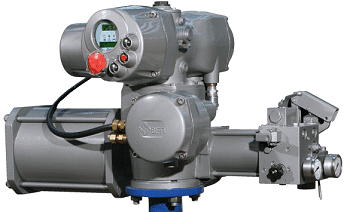 Figure 1 - Biffi Actuator Figure 1 - Biffi Actuator
|
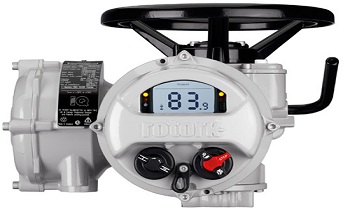 Figure 2 - Rotork Actuator Figure 2 - Rotork Actuator
|
How to Choose an Electric Actuator for Valve
Choosing an electric actuator from an industrial valves manufacturer depends on several factors, including the type and size of the valve, the operating conditions, and the control requirements.
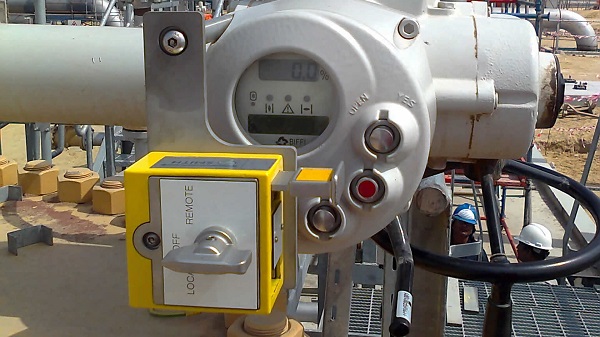 Figure 3 - Actuator BIffi with Interlock Figure 3 - Actuator BIffi with Interlock
- Valve type and size - The electric actuator should be compatible with the type and size of the valve. For example, ball valves, butterfly valves, and globe valves may require different actuators, and the valve size may affect the actuator’s torque and speed requirements.
- Operating conditions - The operating conditions of the valve, such as the pressure, temperature, and media, should be considered when selecting an electric actuator. The actuator should be able to withstand the environmental factors and provide reliable performance under varying conditions.
- Torque and speed requirements - The valve’s torque and speed requirements depend on the valve’s size, type, and operating conditions. The electric actuator should be able to provide sufficient torque and speed to operate the valve efficiently and reliably.
- Control requirements - The control requirements of the valve, such as the type of control signal and the desired control accuracy, should be considered when selecting an electric actuator. The actuator should be compatible with the control system and be able to provide precise and responsive control of the valve.
- Mounting and installation - The electric actuator should be easy to mount and install on the valve and be compatible with the valve’s mounting configuration. The actuator should also be easy to wire and connect to the control system.
- Maintenance and support - The electric actuator should be easy to maintain and repair and sufficient support should be available from the manufacturer or supplier. The actuator should also have a reliable warranty and after-sales support.
The minimum required to choose a proper actuator
- Torque
- Power Supply
- Valve mounting compatibility
- Temperature working range
- IP rating
- ATEX requirement
- Fail-safe
- Modulation
- Duty type and duty cycle
- Spare parts are always available
Advantages of Electric Actuators
The benefits of electric actuators include:
- Easy Integration - Electric actuators are much easier to integrate than hydraulic or pneumatic actuators. Electric actuators come with programmable controllers and microprocessors for the management of the operation of most modern industrial machinery.
- Precision Levels - Electric actuators offer high levels of precision in the control of motion. This is due to the enabling of the torque, speed, and force that they do to modify at different stages during motion.
- Safety and Convenience - These types of actuators are not susceptible to contamination or leakages like their counterparts. Therefore they are considered to be cleaner, safer, and more convenient options.
- Costs Less - These types of actuators are more economical in the long run than other actuators. Electric actuators need less maintenance, are easy to operate and install and are rugged. They also last longer and are reliable when used in different environmental conditions.
Other benefits of electric actuators are listed below:
- They can be easily assembled because of their simple quick connect wires and cables.
- Electric actuators are more compact with smaller footprints and they don’t make any annoying noise during their operation.
- Setting the acceleration and deceleration is easy
- No external sensor
- Electric actuators help in the adaptation of machines to flexible processes.
Disadvantage of Electric Actuators
Some of the drawbacks of electric actuators include:
- Higher initial equipment cost
- They are sensitive to vibrations
- The higher the thrust, the less the speed
- The higher the speed, the less the thrust
- More complex technology
- The speed to close or open a valve is less than the Hydraulic or Pneumatic actuators
- If extra force is applied on the handwheel, the internal gearbox can break easily
- The actuator is not recommended where a lot of start and stop of the actuator is required in a short time
- It is not recommended for emergency systems such as ESD, Fire & Gas, etc.
Conclusion
Electric linear actuators are devices that convert electrical energy into motion. There are different types of electrical actuators offering different capabilities. Electric actuators are more advantageous than their counterparts since they can be easily assembled, are more precise and cost less. However, they have some limitations that should be considered before purchase and installation. It is important to select the right type of electric actuator for your application in order to ensure optimal performance.
Recommendation
- Never touch the actuators or their electrical connections when they are in operation
- Never try to put the hands or foreign objects in the gearbox during actuator operation
- If the valve is blocked and extra force is required on the actuator, never attempt to apply it on the actuator handwheel, the gearbox could easily break, with the consequence that the actuator has to be thrown away.
- Never open the electrical cover under power, especially when the voltage is high
- Some companies provide software with service passwords to configure the actuator via the laptop. Never apply the torque higher than of datasheet manufacture. Applying a force greater than that expected (torque) could break the internal gearbox when everything goes well when going bad it could bend the valve stem with the consequence that where gas or liquid under pressure is present, it comes out without control, if the gas will sour it could be catastrophic.
It is important to note that the electrical safety of the actuators is dependent on the materials used for the actuators, the size and number of actuators, and the driving electronics. Therefore, safety information can change from product to product as some actuators are designed to be safe to touch.
A Competent person is required to calibrate and configure an Electrical Actuator.
For any questions, please contact our Expert, he will try to help you

|




