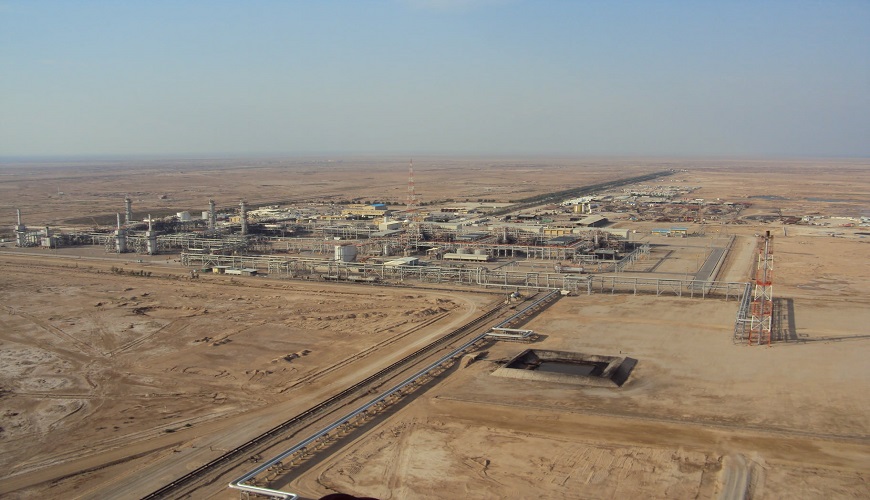
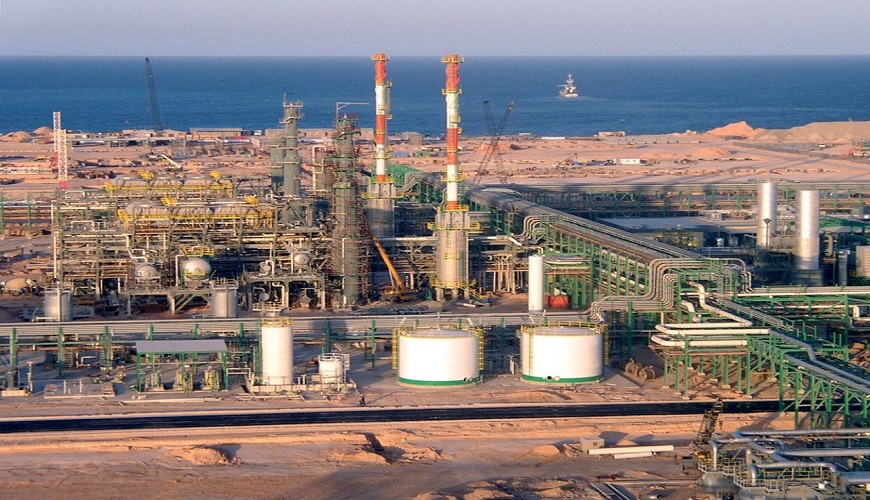
Eni Iran BV Darquain Oil Field
This project was my first one abroad from 2008 to 2012. The project includes three oil trains and three gas trains, including early production. Practically I followed the construction phase, commissio...
Read More
Phone screens that don’t scratch in your pocket but know when your fingers touch them? “Shape memory” biomedical devices that save and transform lives? Ever smaller, lighter, and longer-lasting batteries and supercapacitors? Compositionally diverse artificial alloys for super-efficient engines or high-temperature, high-strength aerospace applications? All these technologies are Materials Engineering advances.
Materials engineers also improve production processes, reduce the cost and environmental impact of materials and decrease instances of materials-related parts failure.
Combining mathematics, physics, and chemistry, materials engineering has a huge, if sometimes overlooked, impact on the modern world.
Like all engineers, Materials Engineers solve problems. We work in factories, in research labs, with customers, as designers, in small companies, and in big ones. We work to create completely new ways of doing things, and as detectives trying to figure out why a part or system didn’t work.
One of the most exciting aspects of being a Materials Engineer is that we aren’t focused on a single application area or product. We focus on the materials themselves. Almost always, the fundamental limitation on why we can’t just build a better one, whatever it is–one that’s taller, stronger, lighter, safer in the human body, that stores more energy, is cheaper to buy, or one of a million other ways “it” could be better–is that we don’t have a material that can do what we need.
Automotive, aerospace, biomedical, energy generation and storage, electronics, communication–all areas of technology and medicine depend on having materials that can do what’s needed.
Materials Engineers use math, physics, and chemistry as tools to explore, understand, and control how materials work. We apply that knowledge to design new materials, identify optimal existing materials and processing techniques, and explain why materials failed. We are core members of any engineering team aiming to transform what’s possible, and you can’t walk down the street without a ton of examples of Materials Engineers at work!
The typical duties of a materials engineer include:
|
|
Disciplines within the mechanical engineering field include but are not limited to:
|
|
Technology itself has also shaped how mechanical engineers work and the suite of tools has grown quite powerful in recent decades. Computer-aided engineering (CAE) is an umbrella term that covers everything from typical CAD techniques to computer-aided manufacturing to computer-aided engineering, involving finite element analysis (FEA) and computational fluid dynamics (CFD). These tools and others have further broadened the horizons of mechanical engineering.
Materials engineers primarily work in laboratories and offices where they can test and report on their findings, although there may also be times when an engineer is required on site or will need to visit suppliers, manufacturing sites, or clients.
There may also be opportunities to travel overseas, especially if you work for a global company.
Materials engineering roles are available in a broad range of manufacturing and industrial sectors, with employers ranging from small specialist research organisations to large global corporations.
Sectors that employ materials engineers include the power industry, telecommunications firms, sports equipment manufacturers, biomedical engineering companies, government agencies, research institutes, and more.
The annual wage for materials engineers differs according to your experience and location, as well as the pay-rates of different employers, with cutting edge industries often paying more.
However, as a rough guide, materials engineers working in entry level positions in the UK typically earn around £20,000 to £26,000. This starting salary will increase with experience, senior engineers with chartered status commanding salaries of around £60,000.
Most engineers will work between 35 and 40 hours per week, with shift work also sometimes being part of the job requirements.
While the exact requirements of materials engineering differ between locations and employers, there are a few general steps that you can take if you want to become a materials engineer:
Becoming a materials engineer, like any professional engineering discipline, takes hard work and dedication, so what are the benefits of entering the profession?
There is a level of cross-over between the knowledge, training and qualifications needed for materials engineering and materials science, but they are not exactly the same. Just as the roles of scientists and engineers differ, so do the disciplines of materials science and engineering.
These differences take in the varying focus, responsibilities, and working environments of materials engineers and materials scientists.
Science, including materials science, is primarily concerned with research, but materials engineering is more focused on materials for developing and optimising new products and processes.
Materials scientists identify and create new products for testing, as well as the best methods to do so, while materials engineers work to improve product manufacturing and also modify materials to improve products and processes. As a result, engineers tend to have more management responsibilities as they need to interact with different levels of business.
Materials science is often specialised work conducted in a laboratory setting. Materials engineers, meanwhile, may work in laboratories but can also often be found in offices and at manufacturing plants.
As noted above, materials engineers can be found to work in a range of different environments, facilities and industries – each with their specific specialities and expertise. These specialities tend to relate to the materials themselves rather than the industries they are employed in, for example:
Metals: Metallurgical engineers are concerned with the research and development of metallic materials, including alloys that provide improved characteristics for applications in industries including aerospace, automotive, construction, defence, healthcare, telecommunications, and more.
Plastics: Engineers working with plastic materials seek more efficient and cost-effective methods of plastic production as well as developing products with improved characteristics including heat retention, reduced flammability, and resistance to weathering. Their work can be found being used in a wide variety of items, from small consumer goods and furnishings to building materials and products for the transport industries.
Of course, as a materials engineer, you need to have a thorough understanding of materials and their components to an atomic level. This will differ according to the materials you are specialising in, but there are many skills that materials engineers need outside of their knowledge of science and mathematics. These less academic skills include:
Combining scientific and engineering knowledge with problem-solving and communication skills, materials engineering is a broad discipline with a range of career opportunities in a wealth of sectors.
Although the exact tasks differ according to industry, material used and the size of the organisation, there are still similarities across the roles. In essence, materials engineers work with different materials to improve their performance and create new materials to improve products and technologies.
This requires an understanding of the properties and behaviours of different substances, raw materials and products. Materials engineers will often specialise in certain materials including ceramics, composites, plastics, and metals.
As well as improving the durability, strength or other desirable properties of an item, materials engineers consider factors such as cost efficiencies and ease of processing and production.
The broad nature of the skills required for materials engineering means that it is a profession that is in demand in a range of industries, organisations and agencies.



We offer the best and economical solutions, backed by 27+ years of experience and international standards knowledge, echnological changes, and industrial systems.


