|
Aluminium 5000 series
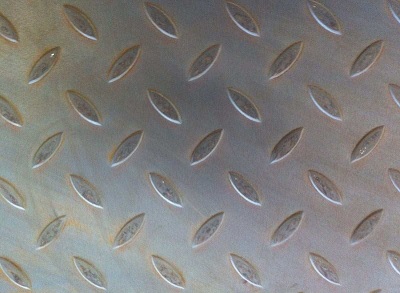
5000 series aluminium grades contain 0.5-5.5% magnesium. They are non-heat-treatable, can be hardened by cold working, have moderate-to-high strength, and have high ductility when annealed. Series 5000 aluminium is weldable, with corrosion and alkaline resistance.
The grades in the 5000 series have 3.5% magnesium and are not suitable for high-temperature applications since they are prone to stress corrosion. Series 5000 grades are referred to as marine grades of aluminium due to their resistance to corrosion caused by exposure to salt water.
- Aluminium 5005 is used in general sheet metal work. This grade has good formability and is easy to bend, spin, draw, stamp, and roll form. It has good corrosion resistance and can withstand marine environments.
- Aluminium 5083 contains traces of manganese and chromium. It is highly resistant to most industrial chemicals and seawater. It retains its high strength after welding.
- Aluminium 5052 has the highest strength among the non-heat-treatable aluminium grades. It exhibits good finishing qualities and offers better resistance to marine environments than other aluminium grades. It can be drawn and formed into intricate shapes due to its excellent workability.
Chemical Composition Aluminum 5000 series
|
5000 series UNS# A95005
|
Mn |
Cu |
Mg
|
Ga |
Si
|
B
|
Cr
|
O
|
P
|
0.20 max
|
0.20 max |
0.50-1.1 |
--
|
0.30 max |
--
|
0.10 max |
--
|
-- |
| Fe |
SI |
V |
Zn |
Ti |
AI |
Co |
W |
Other |
0.7 max
|
-- |
-- |
0.25 max |
-- |
balance |
--
|
--
|
0.05each max 0.15 |
|
5000 series UNS# A95050
|
Mn |
Cu |
Mg
|
Ga |
Si
|
B
|
Cr
|
O
|
P
|
0.10 max
|
0.20 max |
1.1-1.8 |
--
|
0.40 max |
--
|
0.10 max |
--
|
-- |
| Fe |
SI+Fe |
V |
Zn |
Ti |
AI |
Co |
W |
Other |
| 0.7 max |
-- |
--
|
0.25 max |
-- |
balance |
--
|
--
|
0.05each max 0.15 |
|
5000 series UNS# A95052
|
Mn |
Cu |
Mg
|
Ga |
Si
|
B
|
Cr
|
O
|
P
|
0.10 max
|
0.10 max |
2.2-2.8 |
--
|
0.25 max |
--
|
0.15-0.35 |
--
|
-- |
| Fe |
SI+Fe |
V |
Zn |
Ti |
AI |
Co |
W |
Other |
| 0.40 max |
-- |
-- |
0.10 max |
-- |
balance |
--
|
--
|
0.05each max 0.15 |
|
5000 series UNS# A95056
|
Mn |
Cu |
Mg
|
Ga |
Si
|
B
|
Cr
|
O
|
P
|
0.05-0.20
|
0.10 max |
4.5-5.6 |
--
|
0.30 max |
--
|
0.20 max |
--
|
-- |
| Fe |
SI+Fe |
V |
Zn |
Ti |
AI |
Co |
W |
Other |
| 0.40 max |
-- |
-- |
0.10 max |
-- |
balance |
--
|
--
|
0.05each max 0.15 |
|
5000 series UNS# A95083
|
Mn |
Cu |
Mg
|
Ga |
Si
|
B
|
Cr
|
O
|
P
|
0.40-1.0
|
0.10 max |
4.0-4.9 |
--
|
0.40 max |
-- |
0.05-0.25 |
--
|
-- |
| Fe |
SI+Fe |
V |
Zn |
Ti |
AI |
Co |
W |
Other |
| 0.40 max |
-- |
-- |
0.25 max |
0.15 max |
balance |
--
|
--
|
0.05each max 0.15 |
|
5000 series UNS# A95154
|
Mn |
Cu |
Mg
|
Ga |
Si
|
B
|
Cr
|
O
|
P
|
0.10 max
|
0.10 max |
3.1-3.9 |
--
|
0.25 max |
-- |
0.15-0.35 |
--
|
-- |
| Fe |
SI+Fe |
V |
Zn |
Ti |
AI |
Co |
W |
Other |
| 0.40 max |
-- |
-- |
0.20 max |
0.20 max |
balance |
--
|
--
|
0.05each max 0.15 |
|
5000 series UNS# A95754
|
Mn |
Cu |
Mg
|
Ga |
Si
|
B
|
Cr
|
O
|
P
|
0.0 – 0.5
|
0.10 max |
2.6 – 3.6 |
--
|
0.4 max |
-- |
0.3 max |
--
|
-- |
| Fe |
SI+Fe |
V |
Zn |
Ti |
AI |
Co |
W |
Other |
| 0.40 max |
-- |
-- |
0.20 max |
0.15 max |
balance |
--
|
--
|
0.05each max 0.15 |
Applications of Aluminum 5000 series
Some common applications of 5000 series aluminium include automotive parts, such as wheels and body panels; construction materials, such as window frames and roofing; and consumer goods, such as appliances and utensils, and more as described below
- Architectural applications
- Hardware
- Signage
- Marine applications
- Zippers
- Screens
- Shielding
- Rivets
- nails
- etc.
Physical Properties
| Mechanical Properties |
| |
Series |
|
Comments |
| Tensile Strength, Ultimate |
- A95005
- A95050
- A95052
- A95056
- A95083
- A95154
- A95754
|
- 110 -230MPa
- --
- 190 – 320 MPa
- --
- 290 – 390 MPa
- --
- 200 – 330 MPa
|
-- |
| Tensile Strength, Yield |
- A95005
- A95050
- A95052
- A95056
- A95083
- A95154
- A95754
|
- 40 – 210 MPa
- not available
- 75 – 280 MPa
- not available
- 110 – 340 MPa
- not available
- 80 – 280 MPa
|
-- |
| Thermal Properties |
| Melting Point |
646 - 658°C |
1190 - 1220 °F |
|
For more details consult the datasheet below
Advantages of Aluminium 5052
The main advantages of Aluminium 5052 are its ease of fabrication and good weldability. Additionally, it has good resistance to saltwater corrosion.
Advantages of Aluminium 5056
The main advantages of using aluminium 56 are its high strength and excellent resistance to saltwater corrosion.
Conclusion
- When deciding which type of aluminium to use for your project or application, you should consider both the 5000 Series and the 6000 Series options. Each has its unique set of characteristics that make it suitable for different tasks or uses. The 5000 Series offers outstanding strength and corrosion resistance, while the 6000 Series provides superior machinability, formability, and good corrosion resistance qualities. Both types of aluminium have their own specific advantages depending on what you need them for; understanding these differences can help you choose the right one for your project!
- Aluminium 5052 and 5056 are excellent choices for different applications, depending on the project requirements. While the two alloys have some similarities, they also have significant differences in composition, properties, application, welding capability and price. Consequently, it is essential to consider the specific requirements of your project before selecting either 5052 or 5056. Consider factors such as strength, workability, application, and cost to determine which alloy will work best for you. By understanding the differences between 5052 and 5056, you can make an informed decision that will ensure the best possible outcome.
For further details please contact us
Limitation of Liability and Disclaimer of Warranty
In no event will our team, be liable for any damages arising from the use of the information included in this document or that it is suitable for the 'applications' noted. We believe the information and data provided to be accurate to the oest of our knowledge but, all data is considered typical values only. It is intended for reference and general information and not recommended for specification, design or engineering purposes. Our team assumes no implied or express warranty in regard to the creation or accuracy of the data provided in this document.
|