
|
Gilding Metal Copper Alloy 220 UNS-C22000
Gilding metal is a copper-based alloy containing lower levels of zinc than the Brass group of alloys. The two most common Gilding metals are C22000 or also known as Red Brass with 10% zinc and C23000 also known as Commercial bronze with 15% zinc. Unlike brass, Gilding metal has a lower rate of work hardening yet still maintains moderate strength. This is an advantage in deep drawing multistage pressing applications without interstage annealing as used in the production of various items of builders hardware and cosmetic hardware, such as metallic bellows aerial, pen, pencil, and lipstick tubes and also used for munition (Gilding metal jackets) and primer caps. Copper Alloy 220 (UNS C22000), also known as 90/10 gilding metal, is a wrought copper-zinc alloy. It combines a rich golden color with the best combination of strength, ductility, and corrosion resistance of plain copper-zinc alloys. It weathers to a rich bronze color and can be supplied in pre-patinated colors ranging from deep brown to green. Copper Alloy 220 has a lower rate of work hardening than copper-zinc alloys with higher zinc content, such as alloys 260 and 272. This is an advantage in multistage pressing applications without interstage annealing. It has excellent deep drawing characteristics and resistance to pitting corrosion when exposed to severe weather and water environments. This datasheet provides information on composition, physical properties, hardness, elasticity, and tensile properties. It also includes information on corrosion resistance as well as forming, heat treating, and joining. Chemical Composition Gilding Metal Copper Alloy 220 UNS-C22000
For more details consult the datasheet below
Equivalent Alloy Specifications
For more details consult the datasheet here Applications of Copper Alloy 220 UNS-C22000 Common uses include:
Corrosion Resistance Gilding Metal Copper Alloy 220 UNS-C22000 Bronze C220 has many possible applications due to its strong physical properties, such as resistance to corrosion from most acids and alkalis and excellent thermal stability, allowing it to be used in high-temperature applications like gas turbines or boilers without compromising its quality or integrity over time. Common uses include valve stems, lock bodies, piston rings, bearings, bushings, and electrical fittings. To ensure maximum corrosion resistance when using Bronze 220, it should be heat treated before application to maximize the beneficial effects of the alloy’s chemical composition, including increased hardness and improved tensile strength. Conclusion Overall, Bronze material is an excellent choice for many applications thanks to its durability and ability to resist corrosion from most acids at room temperature and good thermal stability, allowing it to be used in high-temperature applications without compromising quality or integrity over time. Its combination of physical properties makes it perfect for valve stems, lock bodies, piston rings, bearings, bushings, and electrical fittings. To ensure maximum corrosion resistance when using bronze220, heat treatment should be applied before application to maximize the beneficial effects of the alloy’s chemical composition, including increased hardness and improved tensile strength.
Limitation of Liability and Disclaimer of Warranty Limitation of Liability and Disclaimer of Warranty: In no event will our team, be liable for any damages arising from the use of the information included in this document or that it is suitable for the 'applications' noted. We believe the information and data provided to be accurate to the oest of our knowledge but, all data is considered typical values only. It is intended for reference and general information and not recommended for specification, design or engineering purposes. Our team assumes no implied or express warranty in regard to the creation or accuracy of the data provided in this document.
|
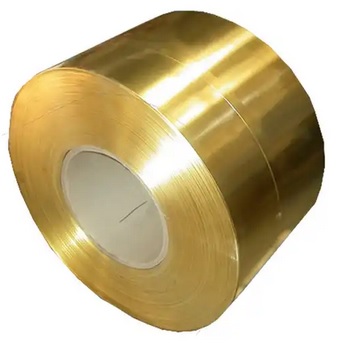
tube material

+(39) 347 051 5328
Italy - Kazakhstan


09.00am to 18.00pm
About
We offer the best and economical solutions, backed by 27+ years of experience and international standards knowledge, echnological changes, and industrial systems.
Our Services
Marketing Materials


Marketing Materials1


