
|
Phosphor Bronze UNS-C52100
CuSn8 - UNS.C52100 Phosphor Bronze Alloys, which is an 8% tin bronze distinguished by a very good combination of strength and electrical conductivity. It is used for connectors and current-carrying springs in contacts. Among the 4-8% tin bronze C52100 exhibits the lowest electrical conductivity, and the highest reachable strength is significantly higher than C51100 C51000 and C51900. By means of additional tempering after the cold-forming process, the bendability can be further improved. Chemical Composition Phosphor Bronze UNS-C52100
For more details consult the datasheet below
Equivalent Alloy Specifications
Applications of Phosphor Bronze UNS-C52100 Commercial applications for this engineering material include:
UNS-C52100 Corrosion Resistant
C52100 has a good resistance to seawater, different agents and industrial atmosphere and has an excellent resistance to tarnishing. Largely insensitive to stress corrosion cracking
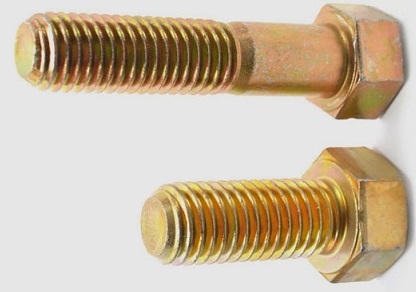
Conclusion Phosphor bronze alloys were of great significance in the Bronze Age. The addition of phosphor in bronze alloys increases wear resistance, fatigue resistance and hardness, thus allowing the usage of phosphor bronze alloys in shafts, fasteners, valve spindles, masonry fixings, bearings, springs and gears.
Limitation of Liability and Disclaimer of Warranty Limitation of Liability and Disclaimer of Warranty: In no event will our team, be liable for any damages arising from the use of the information included in this document or that it is suitable for the 'applications' noted. We believe the information and data provided to be accurate to the oest of our knowledge but, all data is considered typical values only. It is intended for reference and general information and not recommended for specification, design or engineering purposes. Our team assumes no implied or express warranty in regard to the creation or accuracy of the data provided in this document.
|

+(39) 347 051 5328
Italy - Kazakhstan


09.00am to 18.00pm
About
We offer the best and economical solutions, backed by 27+ years of experience and international standards knowledge, echnological changes, and industrial systems.
Our Services
Marketing Materials


Marketing Materials1


