
|
Single-phase, two-phase and three-phase motors Electric motors let us obtain mechanical energy in the simplest and most efficient manner. Depending on the number of supply phases, we can find single-phase, two-phase and three-phase motors with coiled startup winding and with coiled startup winding with a capacitor. And choosing one or the other will depend on the necessary power. What is a single-phase motor? A single-phase motor is an electrically-powered rotary machine that can turn electric energy into mechanical energy.
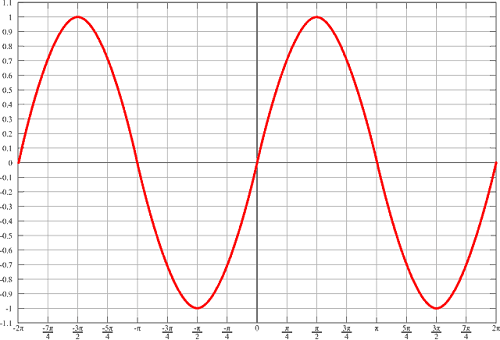
Figure 1 - sine curve on single phase motor In most cases these are small motors with a limited torque. However, there are single-phase motors with a power of up to 10 hp that can work with connections of up to 440V. What is a two-phase motor? A two-phase motor is a system that has two voltages 90 degrees apart, which is no longer in use nowadays. The alternator is composed of two windings placed at 90 degrees from each other. What is a three-phase motor? A three-phase motor is an electric machine that transforms electric power into mechanical energy by means of electromagnetic interactions. Some electric motors are reversible – they can transform mechanical energy into electric power acting as generators.
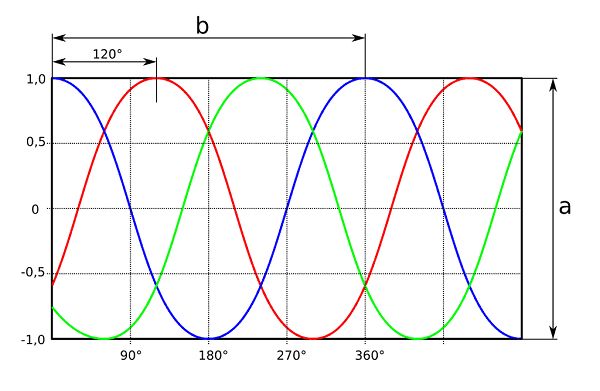
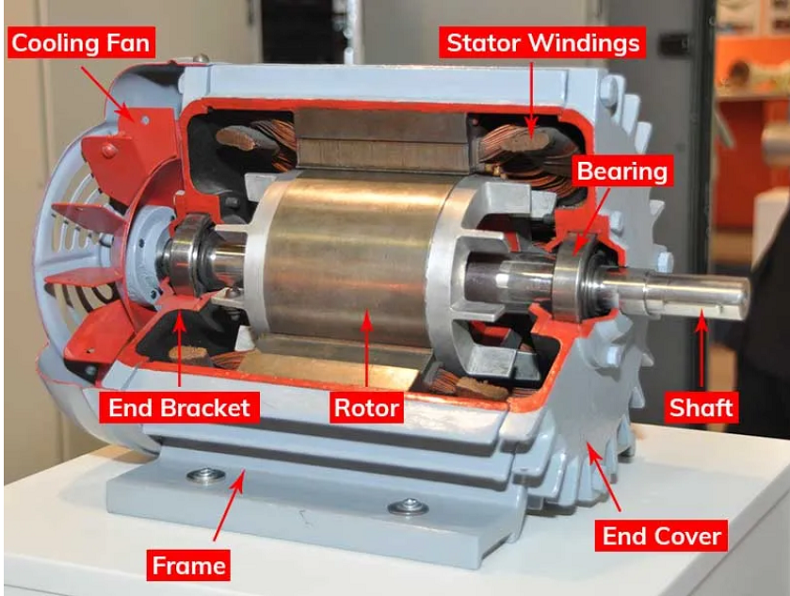
Figure 2 - sine curve on three phase motor Three-phase electric power is the most common method in use in electric grids around the world since it transfers more power, and it sees significant use in the industrial sector. After a general explanation we go into specifics What is a 3-Phase Motor? A 3-phase motor is an electric motor that operates on a three-phase power supply, utilizing three alternating currents to generate a rotating magnetic field, resulting in a smoother and more efficient power delivery compared to single-phase motors. They are a type of AC motor that is a specific example of a polyphase motor. These motors can be either an induction motor (also called an asynchronous motor) or a synchronous motor. The motors consist of three main components – the stator, the rotor, and the enclosure.
Figure 3 - Motor internal parts How Does a 3-Phase Motor Work? A 3-phase motor works by harnessing three alternating currents to produce a rotating magnetic field, which, in turn, drives the motor’s rotor and induces rotation. This design enhances efficiency and performance, making 3-phase motors suitable for a wide range of industrial applications.
These principles form the basis for understanding how a three-phase motor works.
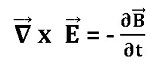
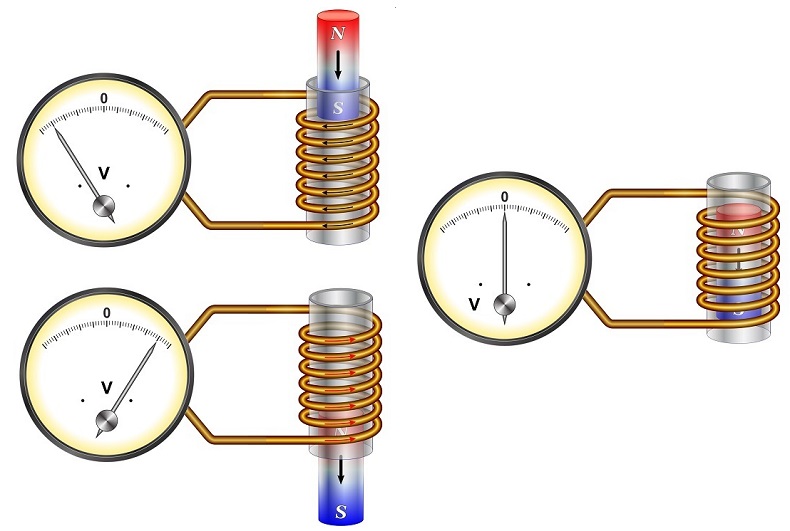
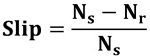
Figure 4 - Principle of Electromagnetic Induction For induction motors, when the stator is powered from a three-phase electrical energy source, each coil generates a magnetic field whose poles (north or south) change position as the AC current oscillates through a complete cycle. Since each of the three phases of the AC current are phase-shifted by 120o, the magnetic polarity of the three coils are not all identical at the same instant of time. This condition results in the stator producing what is known as an RMF or Rotating Magnetic Field. As the rotor sits in the center of the stator coils, the changing magnetic field from the stator induces a current in the rotor coils, which in turn results in an opposing magnetic field being generated by the rotor. The rotor field seeks to align its polarity against that of the stator field, the result being a net torque is applied to the motor shaft and it begins to rotate as it seeks to bring its field into alignment. Note that in the 3-phase induction motor, there is no direct electrical connection to the rotor; magnetic induction causes the motor rotation. With three-phase induction motors, the rotor seeks to maintain alignment with the RMF of the stator, but never achieves it, which is why induction motors are also called asynchronous motors. The phenomenon which causes the rotor speed to lag the speed of the RMF is known as slip, as is expressed as:
where Nr is the speed of the rotor, and Ns is the synchronous speed of the rotating field (RMF) of the stator. Synchronous motors operate in a similar fashion to induction motors except that in the case of a synchronous motor, the stator and rotor fields are locked into alignment so that the stator RMF will cause the rotor to turn at the exact same rate of rotation (in synch – therefore the slip is equal to 0). For more information on how this is accomplished, refer to these articles on reluctance motors and brushless DC motors (BLDC motors). Note that synchronous motors, unlike induction motors, need not be powered by AC power. Motor Controllers for 3-Phase Motors The speed that is generated by a three-phase AC motor is a function of the AC supply frequency since it is the source of the RMF in the stator coils. Therefore, some AC motor controllers operate by using the AC current input to generate a modulated or controlled frequency input to the motor, thereby controlling the speed of the motor. Another approach that can be used to control motor speed is by altering the slip (described earlier). If the slip increases, the motor speed (i.e. the speed of the rotor) decreases. To learn more about the approaches for motor control, review our article on AC Motor Controllers. 3-Phase Motor Types There are several types of 3-phase motors, each designed for specific applications:
When Would a Three-Phase Motor Be Used? A three-phase motor would be used in various applications, including:
|

+(39) 347 051 5328
Italy - Kazakhstan


09.00am to 18.00pm
About
We offer the best and economical solutions, backed by 27+ years of experience and international standards knowledge, echnological changes, and industrial systems.
Our Services
Marketing Materials


Marketing Materials1


