|
Current relays are protective devices
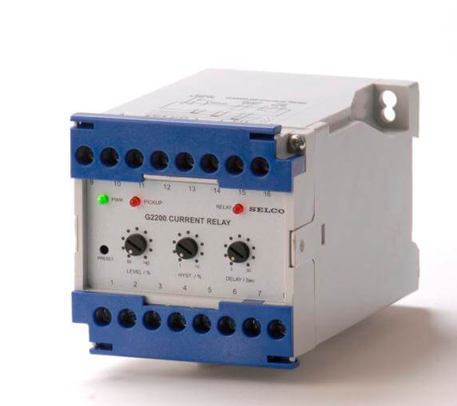
Current relays are protective devices that monitor electrical current for over/under-current conditions, acting as sensors to switch circuits, protect equipment (like motors in HVAC/machinery), or assist in motor startup by detecting high current draws to engage start windings, then disengaging them as the motor speeds up. They're vital for industrial safety, preventing damage from faults like short circuits or overloads by opening circuits when thresholds are exceeded.
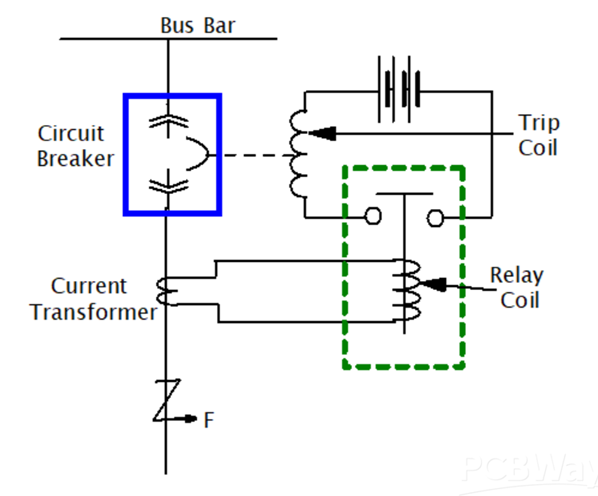
How They Work
- Monitoring: They sense the actual current flowing through a circuit.
- Detection: If current goes above or below a set limit (threshold), the relay triggers.
- Action: This can involve opening contacts to cut power, closing contacts to activate another circuit, or signaling an alarm.
Key Types & Functions
- Overcurrent/Undercurrent Relays: Protect machinery in factories (woodworking, HVAC) and power systems from damage due to excessive or insufficient current.
- Motor Starting Relays (e.g., for Split-Phase Motors): Use a low-resistance coil; high current during startup closes contacts, engaging the start winding and capacitor. As the motor reaches speed, current drops, weakening the magnetic field and opening the contacts to disengage the start components.
- High Current Relays: Handle large currents, used in vehicles (48V systems, battery disconnects) and heavy machinery.
Common Applications
- Industrial Machinery: Protects motors and equipment in manufacturing.
- HVAC Systems: Manages compressor and fan motor starting/running.
- Power Distribution: Monitors substations and distribution lines for faults.
- Automotive: For high-current switching in trucks and heavy vehicles.
Current relays are automatic electrical switches that monitor and control current flow in a circuit to provide protection, automation, and electrical isolation for equipment. They work by using a low-power control signal to activate a switching mechanism that manages a higher-power load circuit.
Function and Operation
A current relay functions as a protective and control device by constantly monitoring the electrical current in a circuit.
- Sensing The relay uses a sensing element, such as an electromagnetic coil or internal electronic circuitry, to measure the current flowing through the circuit.
- Comparison It compares the measured current against a preset threshold value (which can be adjusted by the user in many models).
- Activation If the current exceeds or falls below the specified threshold, the relay activates its internal switching mechanism.
- Action The switch opens or closes contacts to control a separate (load) circuit, which can trigger an alarm, shut down equipment, or open a circuit breaker to prevent damage.
- Isolation A key feature is providing electrical isolation between the low-power control circuit and the high-power load circuit, enhancing safety and protecting sensitive components.
Types of Current Relays
Current relays are classified based on their operation, construction, and function:
- Overcurrent Relays: These devices detect when the current flowing through a circuit is higher than a predetermined value and trip to open the circuit, preventing overloads and short circuits. They are commonly used for motor and transformer protection.
- Undercurrent Relays: These are used to detect when the current falls below a certain minimum value, which can be just as damaging as overcurrent in some applications, such as monitoring a battery's charging current or detecting a no-load condition in pumps.
- Differential Current Relays: These compare the current between two points in a system (e.g., the primary and secondary sides of a transformer) to detect internal faults or unbalanced currents in a three-phase system.
- Thermal Relays: Operating on the heating effect of current on a bimetallic strip, these are primarily used for motor overload protection, tripping when excessive heat is generated by prolonged high current.
- Electromechanical Relays (EMRs): These are traditional relays that use a physical coil and magnetic force to move mechanical contacts. They are rugged but have slower switching times and are subject to mechanical wear.
- Solid-State Relays (SSRs): These use semiconductor components to switch electronically without moving parts, offering faster, silent operation and a longer lifespan, ideal for high-speed or sensitive applications.
Common Applications
Current relays are essential components in various settings, from home appliances to heavy industry:
- Industrial Automation: They control motors, conveyor systems, and robotic arms, and protect machinery from overloads or jams.
- Power Distribution: Utilities use current relays to monitor current flow in substations and distribution lines, helping isolate faults quickly to maintain grid stability.
- HVAC Systems: They regulate compressor and fan motors in heating, ventilation, and air conditioning units, ensuring energy efficiency and preventing faults.
- Automotive Systems: Relays manage high-current loads for components like headlights, fuel pumps, and ignition circuits.
- Renewable Energy: In solar and wind installations, current relays monitor power output and protect inverters and batteries from overloads, optimizing energy flow.
|