
|
Locked Rotor Relays (or Functions) protect electric motors from damage by detecting when the rotor stops turning (locks) during startup, a dangerous condition where current stays extremely high, potentially melting windings. These relays monitor high starting current, allowing a brief delay for normal startup but tripping the motor if current remains excessive for too long, preventing overheating and catastrophic failure. They are often part of advanced motor protection relays, offering adjustable settings for current and time to match specific motor needs, protecting against issues like jammed impellers or bearing failures This video provides a simple explanation of locked rotor protection: How They Work
You can watch this video to learn more about the locked rotor current: Key Features & Benefits
Common Applications
Examples
A locked rotor relay is a protection device that safeguards electric motors from damage by detecting when the motor's rotor fails to rotate or is otherwise mechanically locked while power is applied. The relay monitors for high current that persists beyond the normal startup period and then disconnects power to prevent overheating and burnout.
Function and Operation When an electric motor starts, it draws a temporary, high "inrush" or locked rotor current, typically several times its normal running current, because there is no back electromotive force (EMF) generated by a spinning rotor to oppose the applied voltage. As the motor accelerates, the back EMF increases, impedance rises, and the current naturally drops to the normal running level. A locked rotor relay accounts for this normal inrush current by incorporating a time delay. If the high current persists beyond this safe time delay (indicating the motor has not started rotating or has stalled), the relay will send a trip signal to the motor contactor or circuit breaker, cutting the power supply and preventing potential damage to the windings and other components.
Locked rotor conditions can be caused by:
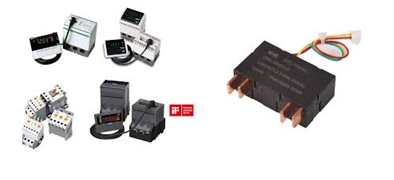
Types and Examples Locked rotor protection is often integrated into comprehensive motor protection relays, which may also offer protection against overload, phase loss, current unbalance, and short circuits. Examples of motor protection relays that include this function are:
These modern relays are often microprocessor-based and feature adjustable settings for current thresholds and time delays, allowing for customized protection based on specific motor characteristics and application requirements. |

+(39) 347 051 5328
Italy - Kazakhstan


09.00am to 18.00pm
About
We offer the best and economical solutions, backed by 27+ years of experience and international standards knowledge, echnological changes, and industrial systems.
Our Services
Marketing Materials


Marketing Materials1


