|
Parallel between two Generators
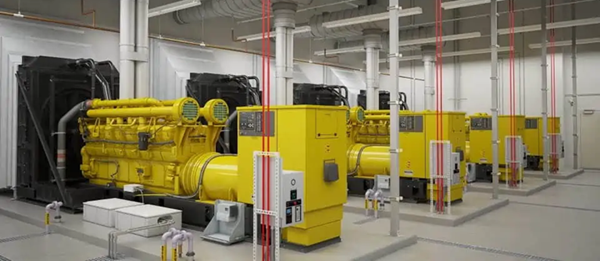
Paralleling two generators involves synchronizing their voltage, frequency, phase angle, and phase rotation to connect them to a common bus, effectively combining their power output to increase capacity and improve reliability. This process allows for load sharing, increased power capacity, and better maintenance flexibility without power disruption.
Key Requirements for Paralleling Generators
- Voltage: Both generators must have the same voltage output.
- Frequency: Frequencies must be identical (e.g., 60 Hz in the US, 50 Hz elsewhere).
- Phase Angle: The voltage waveforms must be in phase (rise and fall at the same time).
- Phase Rotation: For three-phase generators, the phase rotation must be the same.
- Synchronization: Generators must be synchronized using synchroscopes or lamps before connecting. v
Benefits of Parallel Operation
- Increased Capacity: Combines power output (e.g., two 2000W units) to run larger loads, such as AC units or pumps.
- Reliability & Redundancy: If one generator fails, the other continues to provide power, ensuring uptime.
- Flexibility & Efficiency: Permits running only one generator during low-load times to save fuel and reduces strain, while starting the second unit only when needed.
- Maintenance: Allows for maintenance on one unit while the other keeps the system running.
How to Parallel Generators
- Use Parallel-Compatible Generators: Ensure both units are designed for parallel operation, ideally the same brand and model.
- Connect Parallel Kit: Use a proper parallel kit, connecting the positive and negative outlets to the load.
- Synchronization: Start both generators and allow them to stabilize. The automatic controls or manual procedures will match the voltage and frequency.
- Load Testing: Gradually apply the load, ensuring the generators are sharing it equally.
Operating two generators in parallel involves connecting their outputs to a common electrical bus so they function as a single power source. This is widely used in facilities requiring high reliability, such as hospitals and data centers.
Essential Synchronization Conditions
Before connecting generators in parallel, their electrical outputs must be perfectly matched to avoid catastrophic failure or equipment damage:
- Voltage: The RMS voltage of both units must be identical to prevent heavy reactive current from flowing between them.
- Frequency: Both must operate at the same cycles per second (e.g., 60 Hz or 50 Hz).
- Phase Sequence: The order of phases (e.g., L1, L2, L3) must match exactly.
- Phase Angle: Waveforms must be "in step," rising and falling at the same time (0° phase difference).
Key Benefits
- Redundancy: If one unit fails, the other(s) can continue to power critical loads, preventing a total blackout.
- Scalability: You can add more units as your power demand grows without replacing the entire system.
- Efficiency: Multiple smaller generators can be turned on or off to match demand, allowing engines to run at their optimal "sweet spot" of 75–80% load.
- Maintenance: One unit can be taken offline for service while the others remain in operation.
Synchronization Methods
Modern systems use automatic synchronization controllers that manage these parameters digitally. Manual methods include:
- Synchroscope: An instrument with a pointer that indicates if the incoming generator is "fast" or "slow" compared to the bus.
- Dark Lamp Method: Using lamps connected across phases; the generators are in sync when the lamps go completely dark.
Load Sharing
Once synchronized, the system must equitably distribute the electrical load.
- Droop Control: Allows voltage or frequency to drop slightly as load increases, providing stability.
- Isochronous Sharing: Uses a common control system to ensure all units operate at the exact same percentage of their capacity.
Considerations for Portable Generators
For home or RV use, many modern inverter generators are "parallel-ready". You must typically use a manufacturer-approved parallel kit to connect them safely.
|