|
Active/Automatic Load Sharing
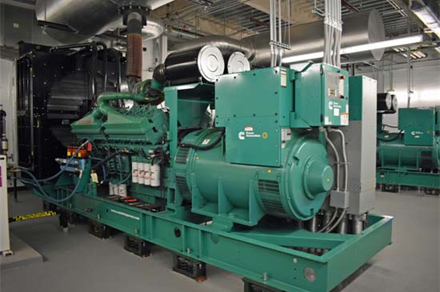
Active/Automatic Load Sharing systems automatically redistribute electrical loads across multiple transformers or power sources based on real-time demand, typically using PLCs, microcontrollers, or relays to manage parallel operations. This technique protects equipment from overheating and failure by connecting secondary ("slave") units when the main transformer exceeds capacity, improving efficiency, reducing voltage drops, and increasing reliability in industrial or distribution networks.
Key components of automatic load sharing systems often include:
- Control Unit: A microcontroller or PLC (Programmable Logic Controller) continuously monitors load conditions and voltage levels.
- Sensors: Used to measure real-time current, voltage, and temperature to determine when to share the load.
- Switching/Relays: Automatically connect or disconnect additional transformers in parallel based on signals from the controller.
Key Benefits
- Preventing Overloads: Protects transformers from burning out by ensuring they operate within their rated capacity.
- Improved Efficiency: Optimizes the performance of transformers by avoiding overloading.
- Voltage Regulation: Maintains stable voltage levels even during peak loads.
- Reliability: Provides uninterrupted, or "bumpless," power transfer in parallel systems.
Applications
- Substations: Managing load distribution among multiple transformers.
- Industrial Areas: Handling high-demand machinery.
- Generator Sets: Balancing power generation across multiple generators.
- Shopping Malls & Rural Areas: Managing fluctuating, high-density loads.
Active load sharing is often implemented to enhance the longevity of distribution transformers and to improve the overall efficiency of energy systems.
Active or automatic load sharing is a dynamic power management technique used to distribute electrical demand across multiple sources—typically transformers—to prevent overloading, enhance system reliability, and optimize efficiency.
How It Works
The system continuously monitors real-time parameters such as current, voltage, and temperature to make automated distribution decisions:
- Monitoring: Sensors (e.g., current transformers or ACS712 sensors) detect the load on a master transformer.
- Comparison: A controller, such as an Arduino or PLC, compares this data against a preset reference value.
- Activation: If the load exceeds the master transformer's capacity, the controller triggers a relay to connect a standby or "slave" transformer in parallel.
- Alternating: Many systems use "alternative switching" to rotate the primary unit, allowing components to cool naturally and extending their lifespan.
- Load Shedding: If the total demand exceeds the capacity of all available transformers, the system may perform priority-based load shedding to maintain power for critical services like hospitals.
Core Components
- Controller: Acts as the brain (e.g., PLC, 8051 Microcontroller, or Atmega328).
- Sensing Unit: Measures current and voltage.
- Switching Device: Relays or circuit breakers that connect/disconnect transformers.
- Communication Module: Optional IoT or GSM modules (e.g., ESP8266 or SIM800) to alert operators or provide remote monitoring.
Key Benefits for 2026
- Overload Protection: Prevents winding overheating and permanent damage.
- Uninterrupted Supply: Maintains power flow during peak demand or individual unit failure.
- Efficiency: Reduces overall electrical losses by only energizing additional units when necessary.
- Sustainability: Facilitates the integration of renewable sources and batteries into the grid.
|




