|
UPS Waveform Shaping - Working Principle
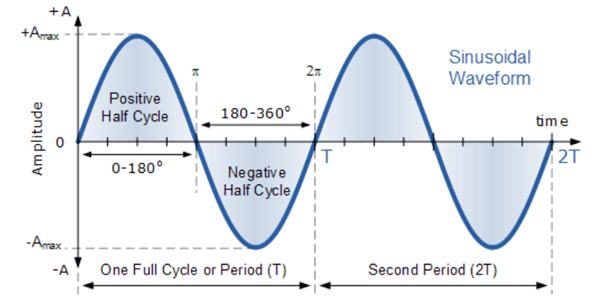
Waveform shaping in Uninterruptible Power Supplies (UPS) determines the quality of AC power produced, with options including Pure Sine Wave, Modified/Simulated Sine Wave, and Square Wave. Pure Sine Wave is optimal for sensitive electronics, mimicking utility power, while modified types are cost-effective alternatives for less sensitive loads.
Key UPS Waveform Types
- Pure Sine Wave: The best waveform, providing smooth AC power ideal for sensitive equipment, servers, and motors, ensuring maximum longevity and performance.
- Modified/Simulated Sine Wave: A cost-effective, "stepped" approximation of a sine wave. While suitable for simple electronics, it may cause issues with Active Power Factor Correction (PFC) power supplies.
- Square Wave: The least desirable,, characterized by harsh transitions. Generally used only in very low-cost, small UPS systems.
Waveform Shaping Techniques
- Inverter Circuits: The core component that converts DC battery power to AC, with more complex, expensive designs producing purer waves.
- Filtering: Filters (such as LC circuits) are used to smooth the stair-step output of modified sine wave inverters to more closely resemble a true sine wave.
- Pulse Width Modulation (PWM): Techniques used to control the duty cycle of the waveform, managing the average power delivered to the load
Comparison Table
| Feature |
Pure Sine Wave |
Modified/Simulated Sine Wave |
| Shape |
Smooth sine curve |
Stepped/Approximated |
| Quality |
High (Matches Utility) |
Moderate/Low |
| Cost |
High |
Low/Moderate |
| Best For |
Servers, Networking, Medical |
Simple Electronics, Motors |
| Efficiency |
High |
Lower (Can cause heat) |
Note: Pure Sine Wave is strongly recommended for modern, high-efficiency equipment with Active PFC power supplies.
In the context of Uninterruptible Power Supplies (UPS), waveform shaping refers to the technology used to produce a clean AC output—ideally a pure sine wave—from the DC power stored in batteries.
- Types of Waveforms in UPS Systems
Most UPS systems fall into three categories based on the shape of the electricity they produce when running on battery:
- Pure Sine Wave: The highest quality. It mimics the smooth, oscillating power provided by the utility grid. It is essential for sensitive electronics, medical equipment, and devices with Active PFC power supplies.
- Modified Sine Wave (Simulated/Quasi-Sine): A cost-effective "stepped" approximation of a sine wave. While functional for simple electronics, it can cause noise or overheating in more delicate motors and power supplies.
- Square Wave: The most basic and least efficient form. It is rarely used in modern UPS units because the abrupt voltage transitions can stress and damage connected equipment.
- How Waveform Shaping Works
To achieve these shapes, the UPS uses an Inverter combined with shaping techniques:
- Pulse Width Modulation (PWM): The inverter switches DC on and off at extremely high speeds. By varying the "width" of these pulses, the UPS can reconstruct a waveform that closely resembles a sine wave.
- Filtering: High-frequency harmonics (electrical noise) created during the switching process are removed using output filters (typically RC or RL circuits) to smooth the final signal.
- Importance of Waveform Quality
A poorly shaped waveform leads to Total Harmonic Distortion (THD). High THD can cause:
- Instability: Computers may reboot unexpectedly.
- Audible Noise: Humming in speakers or buzzing in fans.
- Reduced Lifespan: Excessive heat buildup in motors and transformers.
|