|
Recharge the UPS batteries - Working Principle
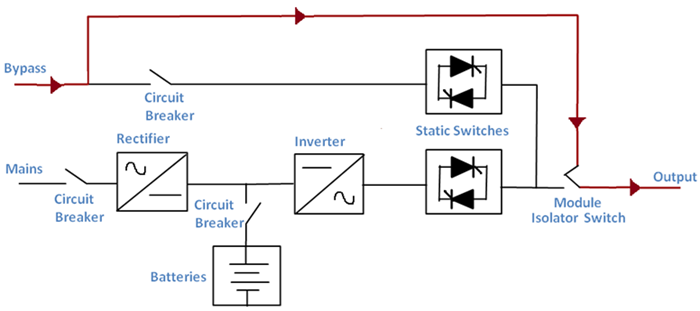
UPS batteries are recharged by converting AC mains power into DC using an internal rectifier (charger) while the unit operates in normal mode. This DC voltage flows into the batteries, reversing the electrochemical reaction to store energy. Smart chargers regulate current and voltage (float/boost) to maximize battery lifespan.
Key Working Principles of UPS Charging
- AC-to-DC Conversion: When mains power is normal, the rectifier converts the incoming alternating current (AC) to direct current (DC) to power the load and charge the battery simultaneously.
- Energy Conversion: Electrical energy from the grid is converted into chemical energy stored within the batteries.
- Smart/Float Charging: UPS systems use smart chargers to optimize charging speed and efficiency. The charger supplies necessary current, then reduces it as the battery nears full capacity to prevent damage.
- Charging Stages:
- Bulk/Boost Charge: Rapidly charges the battery to 70-80% capacity using a higher voltage.
- Float Charge: A low-voltage, continuous charge that maintains the battery at 100% capacity without overheating.
- Safety Mechanisms: The system manages charging to prevent overvoltage and overcurrent, especially when dealing with mixed-age battery banks
Common Charging Methods:
- Constant Voltage Current Limiting: Limits the charging current while keeping voltage constant.
- Equalization Charging: A low-current, long-duration charge that balances the voltage across all cells in a battery pack.
The working principle of recharging a UPS (Uninterruptible Power Supply) battery involves reversing the chemical reaction that occurs during discharge, effectively "resetting" the battery’s energy storage.
Core Components Involved
- Rectifier/Charger: Converts incoming Alternating Current (AC) from the wall outlet into Direct Current (DC).
- Internal Controller: A "Smart Charger" or Battery Management System (BMS) monitors the state of charge, voltage, and temperature to prevent overcharging.
Recharging Mechanism
- Electrochemical Reversal: When the UPS is connected to main power, the charger forces electrons back into the battery’s negative electrode (anode). This chemical reduction stores electrical energy as potential chemical energy.
- Multistage Charging: To protect the battery and extend its life, the UPS typically uses three stages:
- Bulk/Constant Current: Rapidly replenishes about 70-80% of capacity.
- Absorption/Constant Voltage: Slows down the current to safely top off the remaining capacity.
- Float Charge: Maintains the battery at 100% by supplying a tiny "trickle" current to offset natural self-discharge.
Operation During Utility Power
While the mains power is normal, the UPS performs two tasks simultaneously:
- Charging: It keeps the internal battery pack fully charged.
- Filtering: It stabilizes the incoming voltage before passing it to your devices, protecting them from surges.
Critical Maintenance Tips
Avoid Deep Discharge: Frequently draining the battery to 0% can cause permanent damage, such as sulfation in lead-acid batteries.
Temperature Control: Heat is the #1 enemy; keeping the unit in a cool, ventilated area (ideally 15°C–25°C) can double the battery’s lifespan.
Regular Testing: Most industrial UPS management systems recommend a "self-test" every 3-6 months to ensure the battery can still hold a charge.
|