|
UPS Deep Discharge Prevention: - Working Principle
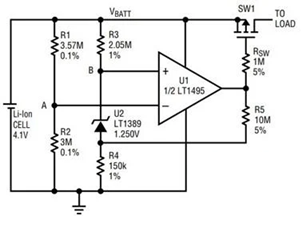
UPS deep discharge prevention acts as an intelligent safety mechanism, constantly monitoring battery voltage during power outages to prevent it from dropping below a critical, damaging level (typically ~10.8V for 12V units)
. It works by detecting low voltage via a controller, triggering an alarm, and automatically disconnecting the battery from the load to protect its health
Working Principle in Detail
- Voltage Monitoring: The UPS internal circuitry constantly measures the voltage of the battery bank.
- Threshold Detection: As the battery discharges, its voltage drops. The system is programmed with a "cutoff voltage" (e.g., 10.5V to 10.8V for a 12V battery).
- Alarm Notification: When the voltage approaches this threshold, the UPS generally sounds an alarm to notify the user to save data and shut down equipment.
- Automatic Cutoff: Once the voltage hits the critical threshold, the controller sends a signal to a relay or electronic switch.
- Disconnection: The relay/switch opens, physically disconnecting the load from the battery to stop further discharge and prevent permanent battery capacity degradation.
This mechanism is crucial because discharging a battery below its safe threshold causes irreversible chemical damage, shortening its service life
UPS Deep Discharge Prevention is a critical safety mechanism designed to protect batteries from permanent chemical damage by automatically disconnecting the load when energy levels drop too low.
How it Works (Working Principle)
The core principle is Voltage Monitoring and Automated Cut-off:
- Continuous Monitoring: An internal Battery Management System (BMS) or control circuit constantly measures the battery's real-time terminal voltage.
- Cut-off Threshold (EODV): Manufacturers define an End-of-Discharge Voltage (EODV). For a standard 12V lead-acid battery, this is typically set near 10.8V.
- Alarm Phase: As the voltage nears this limit, the UPS typically triggers an audible or visual alarm to warn the user to shut down equipment manually.
- Automatic Disconnect: If the voltage hits the critical threshold, the Control Circuit sends a signal to a relay or solid-state switch. This switch immediately "opens," severing the connection between the battery and the load to stop further energy depletion.
- Recovery Block: Most UPS units will not allow the battery to reconnect to the load until a stable charging current is restored and the voltage rises back above a "safe" restart level.
Why Prevention is Necessary
- Chemical Damage (Sulfation): In lead-acid batteries, excessive discharge causes lead sulfate to form large, hard crystals that increase internal resistance and make the battery difficult to recharge.
- Reduced Cycle Life: Every "deep" discharge puts mechanical stress on the plates; preventing them from reaching 0% charge can extend the total battery lifespan by 30%-40%.
- Startup Failure: A severely deep-discharged battery may drop below the minimum voltage required to even power the UPS's own internal logic, preventing it from starting up once power returns.
|




