
|
Constant current mode to measure total energy capacity of battery Using Constant Current (CC) mode is the standard, most accurate, and most commonly used method to measure the total energy capacity of a battery (in Ah or Wh). This method involves discharging a fully charged battery at a fixed current rate while monitoring voltage until a designated cut-off voltage is reached 1. Preparation & Setup
2. The Procedure
3. Calculating Total Capacity (Ah and Wh)
A. Capacity in Amp-Hours (Ah)
If the current is held constant throughout, use the time elapsed:
Capacity (Ah) = Current (A) x time (hours)
Example: A 500mA (0.5A) load running for 4 hours yields: (2000mAh). B. Total Energy in Watt-Hours (Wh) - More Accurate For better accuracy (since voltage drops during discharge), calculate the energy at each step and integrate over time.
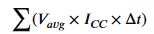
Practically, this is done by calculating the average voltage during small intervals:
4. Key Factors Affecting Results
Summary Table
In Constant Current (CC) mode, you determine a battery's energy capacity by discharging it at a fixed current until it reaches a safe cut-off voltage. While CC mode directly measures charge capacity (mAh), calculating total energy (Wh) requires tracking the falling voltage throughout the test. 5. Why CC Mode is Preferred?
What is the chemistry and nominal voltage of the battery you are testing? Knowing this helps determine the optimal discharge rate (C-rating) and cut-off voltage for your specific test 6. Equipment Options
|




+(39) 347 051 5328
Italy - Kazakhstan


09.00am to 18.00pm
About
We offer the best and economical solutions, backed by 27+ years of experience and international standards knowledge, echnological changes, and industrial systems.
Our Services
Marketing Materials


Marketing Materials1


