
|
Resistive Load Banks - Working Principle
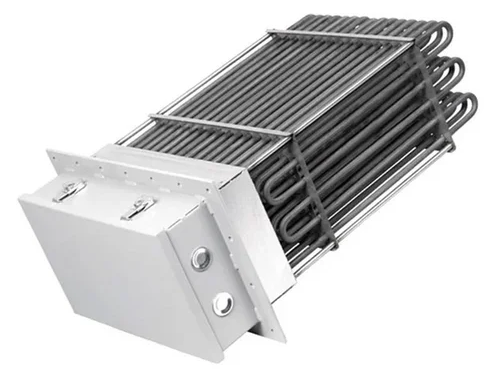
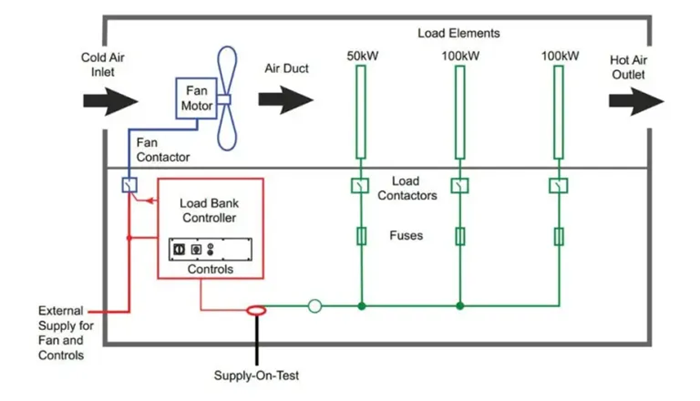
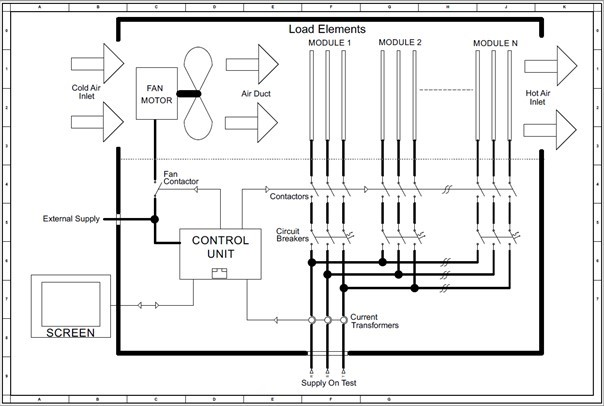
Resistive load banks are devices that simulate operational electrical loads by converting electrical energy into heat, primarily to test power sources like generators, UPS systems, and batteries at 100% rated kW. They use resistive elements (often sheathed stainless steel) to create a unity power factor (PF 1.0) load, making them ideal for removing engine carbon build-up.
Key Aspects of Resistive Load Banks
Advantages
Limitations
|

+(39) 347 051 5328
Italy - Kazakhstan


09.00am to 18.00pm
About
We offer the best and economical solutions, backed by 27+ years of experience and international standards knowledge, echnological changes, and industrial systems.
Our Services
Marketing Materials


Marketing Materials1


