|
Preventive Maintenance for Lithium-ion Batteries in the Oil & Gas Industry
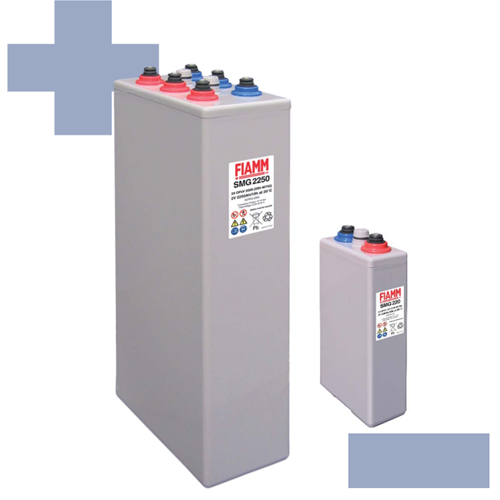
Preventative maintenance of Lithium-ion (Li-ion) batteries in industrial oil and gas environments focuses on mitigating risks associated with hazardous locations—such as thermal runaway, fire, and explosion—while maximizing the lifespan of energy storage systems (ESS) or portable equipment. Key strategies include strict temperature management, monitoring via Battery Management Systems (BMS), and regular physical inspections.
Key Preventative Maintenance Measures
- Environmental & Temperature Control:
- Optimal Temperature: Maintain operating temperatures between 15°C and 25°C (59°F–77°F) to avoid degradation.
- Ventilation: Ensure adequate ventilation in battery storage areas to prevent heat accumulation and disperse gases.
- Hazardous Areas: In Ex-rated environments, use specialized enclosures and constant monitoring for flammable gases.
- Battery Management System (BMS) & Monitoring:
- Real-time Monitoring: Use BMS to continuously monitor cell voltage, temperature, and State of Charge (SoC).
- Data Analysis: Utilize BMS data to detect anomalies, such as individual cell voltage imbalances, which indicate potential failure.
- Firmware Updates: Regularly update BMS firmware to ensure the latest safety protocols and performance optimizations are active.
- Inspection & Testing:
- Visual Inspection: Monthly checks for physical damage, including cracks, swelling/bulging, or leaks.
- Connector Inspection: Check for corrosion or rust on terminals to ensure proper electrical conductivity.
- Thermal Imaging: Use IR cameras to detect hot spots, with immediate action required if any battery deviates by 3°C or more from the average temperature.
- Charging & Operation Best Practices:
- Avoid Extreme Depths: Do not discharge batteries below 20% capacity, and aim for partial, shallow discharges to extend cycle life.
- Correct Chargers: Only use manufacturer-approved chargers to prevent overcharging.
- Voltage Management: For long-term storage, keep batteries at 40-60% charge, not 100%.
- Safety & Emergency Preparedness:
- Fire Suppression: Install specialized fire suppression systems (e.g., water mist) for large battery banks.
- Isolation: Isolate damaged or suspect batteries immediately in non-combustible containers, ideally in a steel bin filled with sand or water, at least 3 meters away from buildings.
- Training: Ensure personnel are trained in handling, identifying, and responding to Li-ion battery emergencies.
Predictive Maintenance Techniques
Beyond routine checks, advanced maintenance includes using data analytics to predict failures:
- Electrochemical Impedance Spectroscopy (EIS): Used to detect changes in internal resistance that signal battery aging.
- Discharge Curve Analysis: Used to assess the "State of Health" (SoH) by monitoring voltage, current, and temperature changes over time.
Common Pitfalls to Avoid
- Overcharging/Over-discharging: Can cause permanent electrode damage and thermal runaway.
- Storing in Extremes: Avoiding storing batteries in direct sunlight or freezing conditions.
- Handling Hazards: Never drop or physically damage the batteries.
By adhering to these, oil and gas operators can ensure operational reliability, reduce downtime, and maintain a safe working environment.
Maintenance Frequency Schedule
| Frequency |
Primary Tasks |
| Weekly |
Remote or on-site visual checks and monitoring for BMS alarm codes. |
| Monthly |
Detailed inspection of terminals for tightness/corrosion; cleaning surrounding areas. |
| Quarterly |
Deep cleaning and verification of environmental controls (HVAC/ventilation). |
| Annual |
Full system shutdown for diagnostic tests, load testing, and firmware updates. |
|