|
Electrochemical Dynamic Response (EDR)
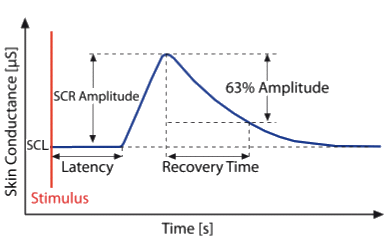
Electrochemical Dynamic Response (EDR) is a diagnostic technique developed to rapidly evaluate the health and performance of electrochemical cells, particularly batteries, by analyzing how they react to electrical loads. It belongs to a broader class of dynamic electrochemical measurements designed to overcome the limitations of traditional, steady-state testing.
Key Aspects of Electrochemical Dynamic Response
- Principle of Operation: EDR measures the mobility of ion flow between positive and negative electrodes. It works by applying pulse loads to a battery and analyzing the voltage response—specifically, the attack (load application) and recovery (load removal) times.
- Performance Metrics: The technique compares these recovery times against stored parameters to differentiate between a healthy battery and a weak one. A high-performance battery shows a firm, quick recovery, whereas a weak or aging battery exhibits a "soft," sluggish recovery.
- Applications: Originally developed by Cadex Electronics for rapid-testing mobile phone batteries, EDR is now being adapted for larger battery systems to evaluate State-of-Health (SoH).
- Related Techniques: EDR is closely related to Dynamic Electrochemical Impedance Spectroscopy (DEIS), which allows for the measurement of battery impedance in real-time during charge/discharge cycling rather than waiting for a stable state.
Differences Between EDR and Conventional Testing
Unlike conventional testing that requires a battery to be at rest, EDR, along with Dynamic EIS (DEIS), can measure parameters under operative, non-stationary conditions, such as during rapid charging or discharging. This allows for the tracking of real-time impedance changes, such as lithium plating in Lithium-ion batteries.
Key Characteristics of EDR
- Ion-Flow Measurement: EDR measures the mobility of ion flow between the positive and negative plates of a battery.
- Pulse Testing: The method works by applying specific load pulses and measuring the "attack" and "recovery" response times.
- Performance Indicators:
- Good Battery: Shows a "firm" response with quick recovery.
- Weak Battery: Shows a "sluggish" or "soft" recovery.
- Dynamic Nature: Unlike traditional static tests, EDR captures how the internal chemistry reacts to sudden changes in load, which is critical for real-world applications like Electric Vehicles (EVs) or high-drain mobile devices.
Related Technologies
- Dynamic Electrochemical Impedance Spectroscopy (DEIS): A more advanced version that tracks real-time changes in internal resistance while the battery is actually charging or discharging, rather than at rest.
- Operando Monitoring: These methods allow for "in-operation" diagnostics to detect issues like lithium plating or electrode aging without stopping the device.
|