
|
Operating Principles of Cryogenic Pumps
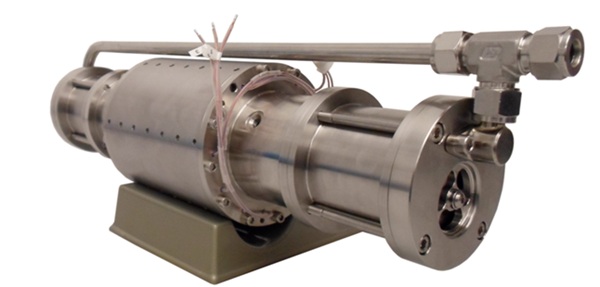
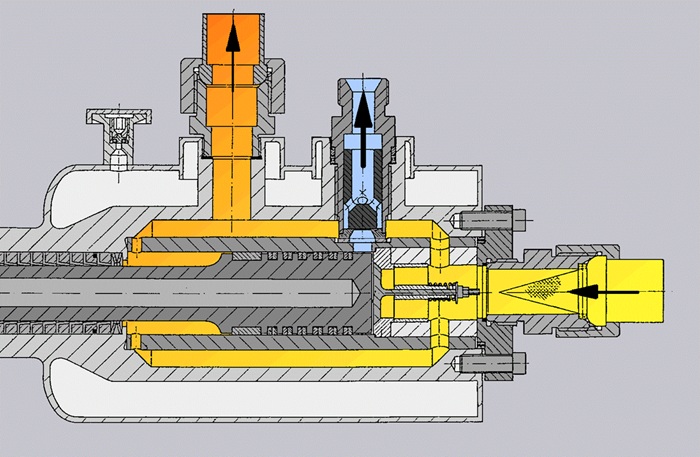
Cryogenic pumps for methane (LNG) operate at temperatures below 120K (-153°C), utilizing specialized materials and sealing techniques to handle extremely cold, low-viscosity liquid. Key principles include maintaining high NPSH (net positive suction head) to prevent cavitation, using vacuum-jacketed insulation, and employing either centrifugal action for high-flow transfer or reciprocating pistons for high-pressure injection. Key Operating Principles & Design Features
Types of Methane Cryogenic Pumps
Note: Cryogenic pumps are distinct from "cryopumps," which are vacuum devices that freeze gases to create a vacuum; methane pumps are liquid transfer devices. Cryogenic pumps for liquid methane (LNG) are specialized centrifugal pumps designed to operate at temperatures around Here are the core operating principles: 1. Submerged Design
Most LNG pumps are submerged motor pumps. The entire unit—including the motor—is housed inside a pressure vessel and sits directly in the liquid methane.
2. NPSH Management (Suction)
Methane is kept near its boiling point. To prevent cavitation (bubbles forming and damaging the pump), these pumps use an inducer. This is a small axial screw-like component before the main impeller that slightly boosts the pressure, ensuring the liquid stays in a liquid state as it enters the pump.
3. Thermal Management
4. Zero Leakage
Because the motor and pump are integrated in a sealed "can" or column, there are no dynamic shaft seals (like those found in car water pumps). This eliminates the risk of methane leaking into the atmosphere.
Would you like to look at the specific differences between fixed-column and retractable pump installations?
|

+(39) 347 051 5328
Italy - Kazakhstan


09.00am to 18.00pm
About
We offer the best and economical solutions, backed by 27+ years of experience and international standards knowledge, echnological changes, and industrial systems.
Our Services
Marketing Materials


Marketing Materials1


