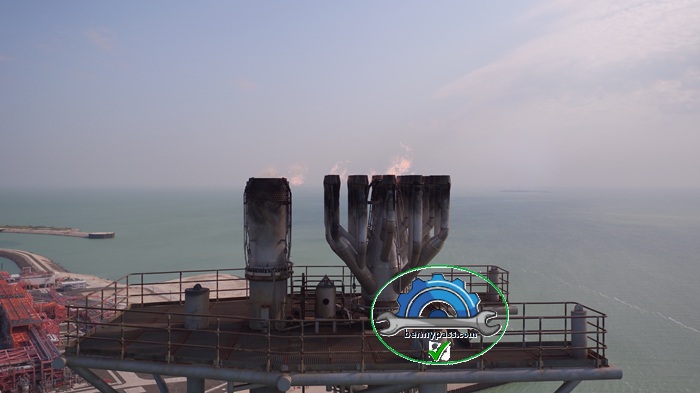
A flare pilot system ensures continuous, reliable ignition of waste gases at the tip of a flare stack. It operates by maintaining a small, stabilized, premixed flame, often using natural gas, which ignites larger emergency gas releases. It operates in all weather conditions using a dedicated ignition system, such as a Flame FrontGenerator (FFG) or High Energy (HE) sparker, which are monitored by thermocouples or optical sensors to ensure it remains lit, serving as the final safety
This video provides an overview of a flare system, including the pilot burners and their function:
Working Principles of a Flare Pilot System
Pilot Gas Premixing: The pilot uses a venturi mixer to premix fuel gas with air, forming a stable "premix" flame, which is much more resistant to being blown out by high winds (up to 200 km/hr or 100 mph) than a raw gas burner.
Continuous Ignition: A continuous fuel supply ensures the pilot flame is always active, providing an immediate ignition source when waste gas is routed to the stack.
Remote Ignition: Pilots are typically ignited via a Flame Front Generator (FFG), where a fuel/air mixture is sent through a pipe from ground level and ignited, allowing the flame to travel to the tip. Alternatively, High Energy (HE) ignition uses a direct electric spark to produce a robust, high-voltage spark at the tip, even in wet conditions.
Flame Monitoring/Detection: The system constantly verifies that the pilot is lit to comply with environmental regulations:
Thermocouples: A "K" type thermocouple, typically housed in a protective thermowell, measures the heat produced, signaling a "pilot on" status.
Optical Systems (IR/UV): Infrared or ultraviolet sensors detect the heat or light from the pilot from a distance (at grade).
Acoustic Systems: These systems detect the sound frequency generated by the pilot flame, specifically ignoring the noise of the main flare to confirm individual pilot status.
Windshield Protection: The pilot nozzle is enclosed in a shielded casing that protects the flame from high-speed winds while allowing for stable air-gas mixing.
Retractable Design: Some systems allow the pilot and thermocouple to be removed (retracted) from the tip while the flare is still in operation to perform maintenance.
Have a Questions?
+(39) 347 051 5328
Visit Our Company
Italy - Kazakhstan
Working Hours
09.00am to 18.00pm
About
We offer the best and economical solutions, backed by 27+ years of experience and international standards knowledge, echnological changes, and industrial systems.