
LPG Safety Relief Valve The safety relief valve is one of the essential valves on any LP-Gas container. All propane tanks and cylinders are required by law to be fitted with pressure relief devices designed to relieve excess pressure. The function of a safety relief valve is to keep a propane tank from rupturing in the unlikely event of excessive pressure buildup. Propane tank relief valves are pop-off valves, pressure venting valves or relief valves.
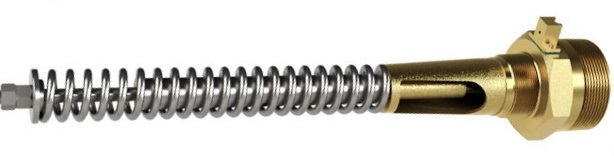
How Propane Relief Valves Work Relief valves are held in a closed position by the force of a powerful spring. As long as the pressure inside the tank is less than that of the spring, the valve will remain closed. If tank pressure will rise more than the power of springs, then the valve will open, resulting in a hissing sound outside the tank. If the pressure in the tank increases significantly higher than that of the spring, the valve will fully open. When the valve fully opens, it initially makes a loud pop followed by a blast of released propane gas. Once the pressure is removed and the tank pressure falls below the springs, the valve closes. Figure 2 below shows the internal part of the spring
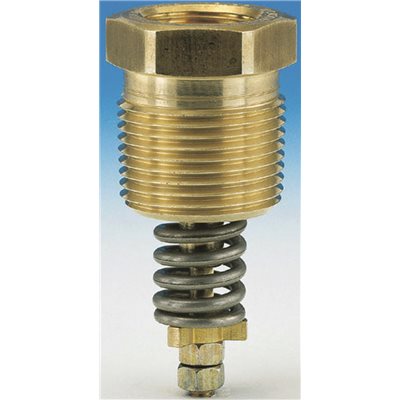
Internal Pressure Relief Valve Most propane tanks in residential and commercial services have internal safety relief valves. The reason for an internal valve as opposed to an external pressure relief valve is it presents less of an obstruction when moving the tank. Internal relief valves are generally placed near the end of the propane tank on above-ground containers. Figure 2 above shows the Internal relief valve External Pressure Relief Valve It's found mainly on older tanks. External relief valves operate similarly to an internal relief valve, with the spring mechanism being outside the propane tank itself. Relief valves on multivalve are always fitted with external safety relief valves. Older tanks with an external relief valve installed on the container are generally replaced with internal pressure relief valves, provided they are connected to a dedicated tank opening specifically designed for the placement of the relief valve. Figure 3 below show an external relief valve
Important Pressure Relief Valve Information Because the safety relief valve performs such a vital role in protecting the propane tank, it should be maintained and repaired by licensed propane professionals only. Do not ever look into a relief valve or stand over it.
Causes of Relief Valve Failure A relief valve is designed to have a safe, useful life of many years, but that life will vary greatly depending on the environment in which it “lives.” To attempt to estimate the safe, useful life of a relief valve and the effect of the environment on its performance, a brief discussion of the materials used and the nature of its performance should be helpful. Relief valve bodies are generally made of brass or steel. Springs are made from various spring wires, plated or painted or made of stainless steel. Valve seat discs are made of synthetic rubber compounds which will remain serviceable in an atmosphere of LP-Gas. Relief valve stems, guides, etc., are generally made from brass or stainless steel. Relief valves, over the years, may not function properly in several ways:
These failures to function properly are due primarily to four “environmental’’ conditions:
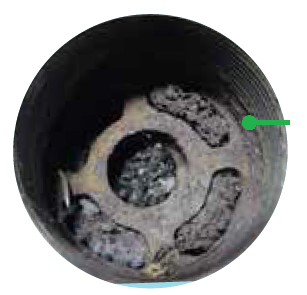
Figure 4, 5, 6, and 7 shows what happens when the relief valve damaged
Check for deterioration and corrosion on pressure relief valve springs. Exposure to high concentrations of water, salt, industrial pollutants, chemicals and roadway contaminates could cause metal parts to fail. If the coating on the spring is cracked or chipped, replace the pressure relief valve as soon as possible.
Check the protective cap located in the valve or at the end of the pipe away for a secure fit. Protective caps help protect the pressure relief valve against possible malfunction caused by rain, sleet, snow, ice, sand, dirt, pebbles, insects, other debris and contamination. Replace damaged or missing caps at once and keep a cap in place at all times.
Open weep holes Dirt, ice, paint and other foreign particles can prevent proper drainage from the valve body. Replace the pressure relief valve if the weep holes cannot be cleared.
Seat leakage Check for leaks in the seating area using a non-corrosive leak detection solution. Replace the pressure relief valve if there are any indications of leakage. Corrosion and dirty
Major Factors that Impact the Service Life of Relief Valves
Recommendations
Pictured here is a relief valve that was apparently leaking. Instead of calling the propane company to replace the valve, the customer decided to fix the problem himself. Using a soldering iron, he soldered the leak until it stopped leaking. In the process of "repairing" the leak, the customer completely sealed the relief valve in a closed position placing himself and his family in a very dangerous situation. In this type of situation, a relief valve that is sealed shut will not allow the tank to vent excess pressure if it is overfilled or the pressure inside the tank exceeds the working pressure of the container. In a case where the tank is unable to vent to the outside, the tank is subject to rupturing causing more harm and damage than money saved by trying to fix it yourself. Let the propane company or LPG professional handle any problems with the safety relief valve. Summary Recommendations Predicting the safe, useful life of a relief valve is obviously not an exact science. The conditions to which the valve is subjected will vary widely and will largely control its life. In matters of this kind, only basic guidelines can be suggested. The LP-Gas dealer must observe and determine the safe, useful life of relief valves in his territory. The valve manufacturers can only make recommendations for the continuing safety of the industry:
On this website, we provide the best relief valves on the market, and we provide any assistance in case of a question. Relief valve series:
|





+(39) 347 051 5328
Italy - Kazakhstan


09.00am to 18.00pm
About
We offer the best and economical solutions, backed by 27+ years of experience and international standards knowledge, echnological changes, and industrial systems.
Our Services
Marketing Materials


Marketing Materials1


