
|
SS 301
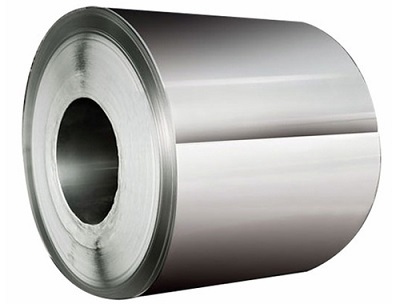
Type 301 (S30100) is an austenitic stainless steel with a nominal composition of 17% chromium and 7% nickel. The high strengths of this grade of steel in the six available conditions or tempers, its resistance to atmosphere corrosion and its bright, attractive surface make it an excellent choice for decorative structural applications. By varying the chemical composition within the limits set by the ASTM specifications and by temper rolling, a broad range of magnetic and mechanical properties can be obtained for various applications. Specification ASTM: A167, A177, A554, A666 UNS: S30100 AMS: 5901 Chemical Composition, %
For more details click the PDF here
Features
Applications
Physical Properties
For more details click the PDF here with all regulations here Linear Coefficient of Thermal Expansion
Thermal Conductivity
Electrical Resistivity (Annealed Condition)
Specific Heat
Mechanical Properties Type 301 is used in the annealed and cold rolled conditions. In the work-hardened condition, Type 301 develops higher tensile strength than the other stable austenitic grades. Minimum properties for plate, sheet and strip per ASTM A240 and A666 follow. Minimum Room Temperature Mechanical Properties, ASTM A240 and A666 Specifications
For more details click the PDF SS 301 here and with all regulations here
|
|||||||||||||||||||||||||||||||||||||||||||||||||||||||||||||||||||||||||||||||||||||||||||||||||||||||||||||||||||||||||||||||||||||||||||||||||||||||||||||||||
|
SS 201 Type 201 is an austenitic chromium-nickel-manganese stainless steel that was developed in the 1950’s due to worldwide nickel shortages. In the Type 201 composition, manganese and nitrogen are partially substituted for nickel. T201 addresses the volatility of nickel prices while offering comparable corrosion resistance and formability to T301 and T304 and has become a viable lower cost alternative to these austenitic grades. Type 201 can be used in many applications because of its wide range of mechanical properties in the annealed and cold worked condition. Type 201 is non-magnetic in the annealed condition but becomes magnetic as a result of cold working. Chemical Composition
For more details click the PDF here Mechanical Properties Mechanical property requirements for annealed products as specified in ASTM A240 and ASME SA240
Mechanical property requirements for cold worked flat rolled products as specified in ASTM A666
Physical Properties for type SS 201
For more details click the PDF here with all regulations here Standards SS 201
Data are typical, are provided for informational purposes, and should not be construed as maximum or minimum values for specification or for final design, or for a particular use or application. The data may be revised anytime without notice. Processing The annealing temperature for Type 201 is between 1850-2000°F. Rapid cooling through the carbide precipitation range (1500 – 800 o F) is necessary to keep the carbides in solution and prevent sensitization. Type 201 is not hardenable by thermal treatment; it is only hardenable by cold working. Forming Type 201 has similar bending, forming and drawing characteristics to Type 301 stainless steel Welding Type 201 can be welded by all conventional methods applied to 18 percent chromium, and 8 percent nickel steels. The filler metal of the conventional chromium-nickel analyses can be used. Like other austenitic stainless steels where carbon is not controlled below 0.03%, Type 201 is susceptible to intergranular corrosion in the weld heat-affected zone. Corrosion Type 201 is resistant to a wide variety of mild to moderately corrosive environments. It has corrosion resistance approaching that of Types 301 and has been successfully substituted for 304 in many mild environments. Mechanical Properties of Stainless Steel 201 The physical properties of grade 201 stainless steel are given in the following here. Conclusion Type 201 is an austenitic chromium-nickel-manganese stainless steel that was developed originally to conserve nickel. It provides properties similar to Type 301 and can be used in most applications for Type 301. This alloy is non-magnetic in the annealed condition but becomes slightly magnetic when cold worked. The rate of work hardening is similar to Type 301, although Type 201 develops somewhat higher yield strength while retaining equal ductility when cold worked. Toughness at low temperatures is excellent. Typical uses include appliances, restau- rant equipment, cooking utensils, sinks, automotive trim, architectural applications such as windows and doors, railway cars, trailers and hose clamps.
|
|||||||||||||||||||||||||||||||||||||||||||||||||||||||||||||||||||
|
Stainless Steel Composition
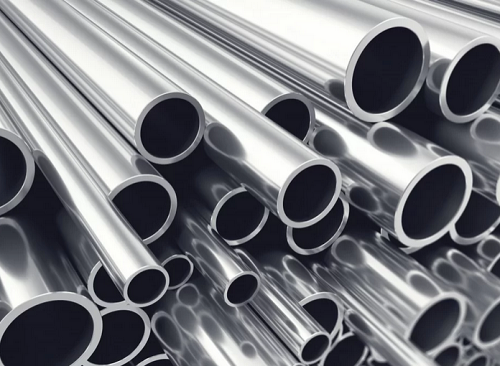
Stainless steel is widely known for its durability and strength. What makes it so dependable is its composition, which consists of carbon, manganese, nickel, silicon, phosphorus, and chromium. Together these elements create a metal that offers protection against corrosion and rust while offering high resistance to heat and temperature fluctuations. As a result, stainless steel can be found in a multitude of applications across many different industries including construction, medical equipment production, food and beverage preparation and storage, automotive engineering, and chemical manufacturing. Its ability to withstand such diverse environments makes it uniquely reliable amid changing circumstances. Other common additives include:
Major Characteristics
Different Grades of Stainless Steel There are several grades of stainless steel that have been developed over the years. These grades determine the composition and properties of each type of stainless steel. The two most common types are austenitic and ferritic stainless steels, which differ in their content of chromium and nickel as well as their magnetic properties. Other grades include martensitic, duplex, precipitation hardening (or PH), super austenitic, super duplex, and lean duplex stainless steel. Each grade has its own unique set of properties that make it suitable for specific applications. The following tables show this
|
|||||||||||||||||||||||||||||||||||||||||||||||||||||||||||||||||||||||||||||||||||||||||||||||||||||||||||||||||||||||||||||||||||||||||||||||||||||||||||||||||||||||||||||||||||||||||||||||||||||||||||||||||||||||||||||||||||||||||||||||||||||||||||||||||||||||||||||||||||||||||||||||||||||||||||||||||||||||||||||||||||||||||||||||||||||||||||||||||||||||||||||||||||||||||||||||||||||||||||||||||||
|
Stainless Steel Characteristic
Stainless steel is an alloy that has a very attractive appearance. It is in big demand as it has the capacity to resist rust and various other kinds of corrosion. Stainless steel properties are that they essentially have shared properties and as such stainless steel is considered to be a material that is universal and just ideally suited for the challenges of the present times. It is available in various grades and categories and each of these is distinguished by specific characteristics. Chromium is present in SS and that is why it is stainless and it is also the reason why it is resistant to corrosion. Stainless steel is a steel alloy that contains a minimum chromium content of 10.5%. The chromium reacts with the oxygen in the air and forms a protective layer that makes stainless steel highly resistant to corrosion and rust. At the moment, there are over 150 varieties of stainless steel in the market. Because of its low maintenance nature, resistance to oxidation and staining, stainless steel is preferred in many applications, particularly those where aesthetics matter. Even with these impressive features, stainless steel can and does rust after all, it’s 'stainless' not 'stainfree'. Some types of stainless steel are more prone to corrosion than others, depending on the chromium content. The higher the chromium content, the less likely the metal will rust. But, over time and if not maintained correctly, rust can and will develop on stainless steel. Stainless Steel Density Stainless steel density is 7.7 g/cm³. When stainless steel is used in different processes in various industries, it reduces the delivery time taken by the parts made of stainless steel. This is because, as a result of using stainless steel, there is no need for a finish to be done. Stainless steel has a higher ductility and a higher work hardening rate. Stainless steel has higher hot strength and higher cryogenic toughness. Stainless steel is available in more than 150 grades, but only 15 grades are used commonly. A really great thing about stainless steel is that it is 100% recyclable. Stainless Steel Weight There are various formula and online calculators that let one easily calculate the stainless steel weight. Stainless steel is categorized under 5 categories and these include the 200 and 300 series of stainless steel which are known as austenitic stainless steels. Then there is the 400 series, which are the ferritic stainless steels. The 400 series and 500 series are called martensitic stainless steels. Then there are the PH types of stainless steel, which are the precipitation hardening grade stainless steels. And lastly, there is the mixture of ferritic and austenitic stainless steels, which are known as duplex stainless steels. Available Stainless Steel Grades
Benefits of Stainless Steel
Factors Affecting Rust on Stainless Steel Various factors can affect the ability of stainless steel to resist corrosion. The composition of the steel is the single biggest concern when it comes to corrosion resistance. The elements in the different grades of stainless steel can adversely affect corrosion resistance. The environment where the metal is used is another factor that can amplify the chances of stainless steel rusting. Environments with chlorine like swimming pools are highly corrosive. Also, environments with salty water can accelerate the corrosion on stainless steel. Finally, maintenance will have an effect on the metal's ability to resist rust. The chromium in stainless steel reacts with oxygen in the air to produce a protective chromium oxide layer across the surface. Although very thin, this layer is what protects the metal from corrosion. This layer can be destroyed by harsh environments or mechanical damage such as scratches however, if cleaned properly and in a suitable environment, the protective layer will form again restoring the protective properties. Types of Stainless Steel Corrosion There are different types of stainless steel corrosion. Each of them presents different challenges and requires different handling.
How to Prevent Stainless Steel from Rusting Rusting stainless steel can be a concern and look unsightly. The metal is designed to resist corrosion which is why most users have fears when they start noticing stains and rusting on the metal. Luckily, there are various methods at different stages that can help to improve rust and corrosion resistance. Design Preparation during the planning phase, when using stainless steel, can pay off in the long run. Ensure the metal is used in areas with minimal water penetration to reduce damage to the surface. In cases where contact with water is inevitable, drainage holes should be applied. The design should also allow free circulation of air to prevent damage to the alloy. Fabrication During fabrication, exceptional care should be taking on the surrounding environment to avoid cross-contamination with other metals. Everything from the tools, storage units, turning rolls and chains should be carefully monitored not to drop impurities into the alloy. This can increase the potential formation of rust. Maintenance Once the alloy is installed, regular maintenance is key in rust prevention, also limiting the progression of any rust that might have already formed. Remove formed rust using mechanical or chemical means and clean the alloy with warm water and soap. You should also cover the metal with a rust-resistant coating. Density of Stainless Steel The density of stainless steel is approximately 7,500kg/m3 to 8,000kg/m3 depending on the alloy. Because it’s a metal alloy, the density can be affected by other volumes of other elements present. If you know the components in the metal, it’s possible to calculate the proportion and eventually the density of the metal. However, most of the stainless steel alloys are in the range of 7,500kg/m3 to 8,000kg/m3 depending on the grade of stainless steel. Stainless Steel Density The unique density of stainless steel makes it a preferred option for various applications. Some of the benefits stainless steel offers include:
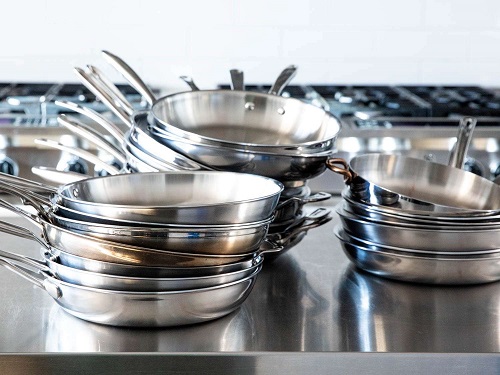
Because of its unique look, it’s commonly used in manufacturing sinks and electronics like stoves and refrigerators. Stainless Steel is magnetic or not? Most people are unsure whether stainless steel is a magnetic or a non-magnetic metal. Some believe it could be magnetic because it has traces of iron, but in a real sense, the answer is neither a yes or a no. Some stainless steel varieties are magnetic while others aren’t. Who Makes Stainless Steel Magnetic? For stainless steel to be magnetic, it has to meet certain requirements:
All stainless steel metals are a type of steel. That means their chemical composition contains iron. In most cases, stainless steel varieties with iron in their composition are magnetic. If the alloy has an austenitic crystal structure, then it’s not magnetic. Which Types of Stainless Steel are Magnetic? Whether a type of stainless steel is magnetic or not, it can be grouped depending on the type of stainless steel. Some of the typical magnetic stainless steels include:
Ferritic stainless steels This type of stainless steel is magnetic primarily because it contains large quantities of ferrite in its chemical composition, which is a compound of iron and other elements. The crystal structure of ferrite and iron is what makes these types of stainless steel magnetic. However, some of the stainless steels with ferrite have a weak magnetic pull. Martensitic stainless steels Most of the stainless steel in this category are magnetic. If iron is present, the crystal structure of martensitic stainless steel can be ferromagnetic. Because iron is the primary material in stainless steel, martensitic steels have magnetic properties. Austenitic Stainless Steels Most stainless steels falling under this category are non-magnetic because they contain high amounts of austenite. Even though some of the metals like grade 304 and 316 have iron in their chemical composition, they are austenite, meaning they are non-ferromagnetic. They can be made partially magnetic through special thermal treatment or work-hardening which can form ferrite in some locations. This is why, austenitic grades display vary slight magnetism on any edge that has been mechanically worked, such as the edge of a sheet. Why Does Magnetism In Stainless Steel is very important? Magnetism affects the performance and intended use of the material during application. Throughout fabrications and other processes like welding, magnetic materials can complicate the processes being carried out. Magnetic materials can also cause electric currents to behave differently.
|

+(39) 347 051 5328
Italy - Kazakhstan


09.00am to 18.00pm
About
We offer the best and economical solutions, backed by 27+ years of experience and international standards knowledge, echnological changes, and industrial systems.
Our Services
Marketing Materials


Marketing Materials1


