
|
UPS Overcurrent/Short-Circuit Protection Working Principle UPS overcurrent and short-circuit protection safeguards circuits by detecting, limiting, or interrupting excessive electrical flow, preventing overheating and equipment failure. It works by continuously monitoring output current via sensors, comparing it to a threshold, and triggering electronic switches (MOSFETs/IGBTs) or mechanical breakers to disconnect the load within milliseconds Key Working Principles
Components Involved
In an Uninterruptible Power Supply (UPS), overcurrent and short-circuit protection is a multi-layered defense system designed to safeguard the internal inverter, the batteries, and the connected loads.
The UPS continuously monitors current flow using high-precision sensors like Hall Effect Sensors or Shunt Resistors. These sensors send real-time data to a microcontroller, which acts as the "brain." If the current exceeds a preset safety threshold (e.g., 110%–150% of the rated capacity), the protection logic is triggered.
In many Online/Double Conversion UPS systems, if an overload is detected that the inverter cannot handle, the Static Bypass Switch instantly transfers the load directly to the utility (mains) power. This allows the high fault current to be cleared by downstream circuit breakers rather than damaging the sensitive internal inverter electronics.
As a final line of defense, UPS units incorporate physical hardware:
|
|
UPS Temperature Monitoring - Working Principle UPS temperature monitoring systems use sensors, often placed on battery terminals, to measure real-time thermal data, protecting against overheating, reduced battery life, and thermal runaway. These sensors send data to a central unit or software, which triggers alerts if temperatures exceed safe, typically 20°C to 25°C thresholds, ensuring proactive maintenance and system reliability. Core Components and Working Principle
Why Monitor UPS Temperature?
UPS temperature monitoring ensures reliability by preventing overheating—the leading cause of premature battery failure.The working principle involves a continuous cycle of sensing, processing, and proactive adjustment.
The system uses specialized sensors to measure thermal conditions in real-time:
Sensor data is sent to a monitoring unit (like an AKCP SensorProbe or Eaton Environmental Probe). The controller compares current readings against a safe range, typically 20°C to 25°C (68°F to 77°F).
When temperatures deviate, the system triggers specific responses:
|
|
UPS Deep Discharge Prevention: - Working Principle
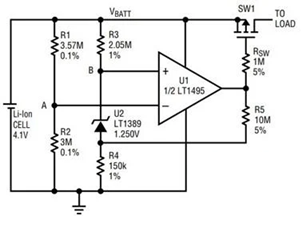
UPS deep discharge prevention acts as an intelligent safety mechanism, constantly monitoring battery voltage during power outages to prevent it from dropping below a critical, damaging level (typically ~10.8V for 12V units) Working Principle in Detail
This mechanism is crucial because discharging a battery below its safe threshold causes irreversible chemical damage, shortening its service life UPS Deep Discharge Prevention is a critical safety mechanism designed to protect batteries from permanent chemical damage by automatically disconnecting the load when energy levels drop too low.
How it Works (Working Principle)
The core principle is Voltage Monitoring and Automated Cut-off:
Why Prevention is Necessary
|
|
UPS Overcharge Protection - Working Principle
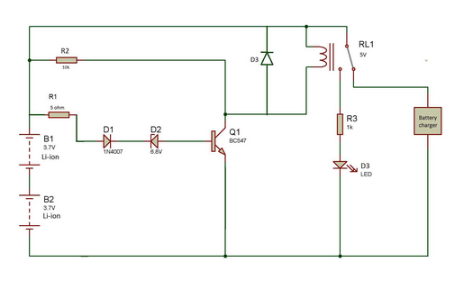
UPS overcharge protection safeguards batteries from damage, overheating, and potential fire hazards by constantly monitoring voltage levels. When the battery reaches its maximum voltage threshold (e.g., 4.2V for Lithium-ion), the internal IC detects this state, delays to avoid false triggering, and shuts off the charging circuit (MOSFET), allowing only discharging Key Components and Working Mechanism
Why Overcharge Protection is Critical
UPS Overcharge Protection in an Uninterruptible Power Supply (UPS) is a safety mechanism designed to halt charging once the battery reaches its maximum capacity, preventing damage from heat, gassing, or potential explosion. Core Working Principle The protection cycle generally follows a monitor → detect → act workflow:
Key Mechanisms Used
|
|
Type 1 or Type 2 SPD upstream of the UPS - Working Principle
Type 1 or Type 2 Surge Protective Devices (SPDs) installed upstream of a UPS protect it from external (lightning) or internal (switching) high-voltage spikes, crucial for sensitive, expensive equipment. Type 1 handles direct strikes at the service entrance, while Type 2 handles downstream switching surges, ensuring clean, stable power reaches the UPS. Working Principle & Setup
Key Considerations
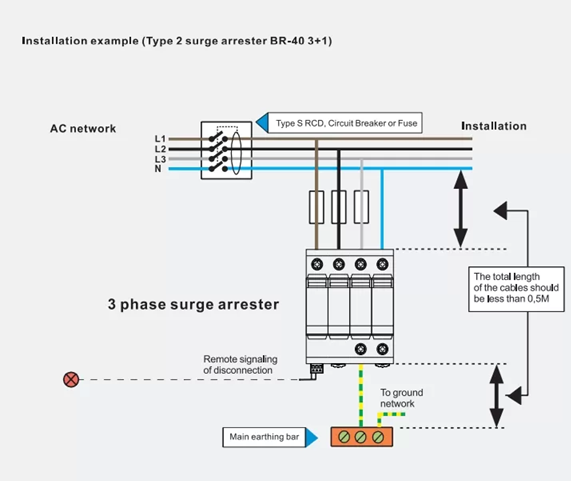
Using both, or a combined Type 1+2, provides the most comprehensive protection for the UPS and connected downstream equipment. In a power system with a UPS, Type 1 and Type 2 Surge Protection Devices (SPDs) act as the primary defense layers for the UPS itself and its downstream loads. A cascaded approach is essential because a UPS's internal surge protection is typically limited and cannot withstand high-energy surges. Working Principle SPDs are high-impedance devices connected in parallel with the power lines. When a voltage surge exceeds a specific threshold, the SPD’s internal resistance drops instantly (within nanoseconds), creating a low-impedance path to divert excess current safely to the ground.
Coordination Upstream of the UPS Installing these devices upstream of a UPS provides specific technical benefits:
|

+(39) 347 051 5328
Italy - Kazakhstan


09.00am to 18.00pm
About
We offer the best and economical solutions, backed by 27+ years of experience and international standards knowledge, echnological changes, and industrial systems.
Our Services
Marketing Materials


Marketing Materials1


