
|
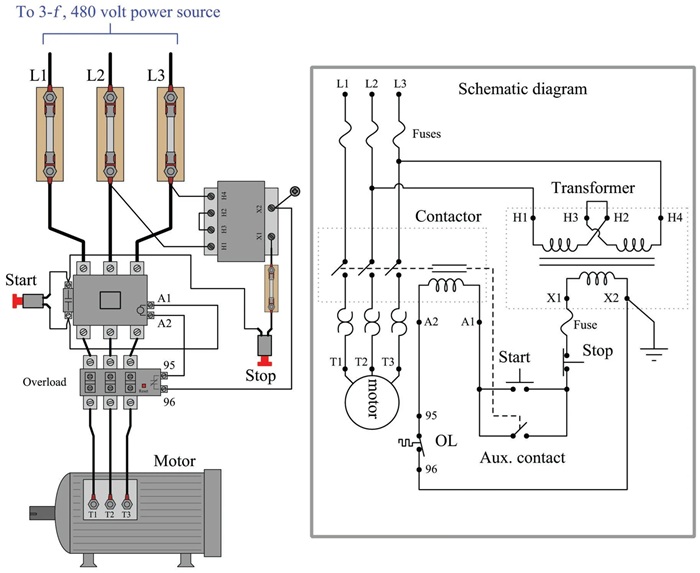
Contactors Electromechanical switches start/stop motors - Worlking Principle
Contactors are heavy-duty, electromechanical switches used to safely start and stop high-power electrical loads, primarily electric motors, using a low-power control signal. They work on the principle of electromagnetism: energizing an internal coil creates a magnetic field that forces contacts together, completing the circuit to the motor. Working Principle The operation of a contactor is based on converting electrical energy into magnetic energy to produce mechanical motion.
Key Components
Key Differences: Contactors vs. Relays
While both are electromagnetically operated, they are used for different purposes:
Advantages in Motor Control
Why Use a Contactor Instead of a Standard Switch?
|
|
Vertical/Horizontal Busbars Distribute power - Working Principle
Vertical and horizontal busbars are conducting metal strips (usually copper or aluminum) used in switchgear, electrical panels, and busway systems to efficiently carry and distribute large amounts of electrical current. They act as a central connection point, or "backbone," allowing multiple circuits to receive power from a single source. Working Principle The core principle of a busbar is to provide a low-impedance path for electricity, allowing it to distribute power with minimal voltage drop.
Horizontal vs. Vertical Busbars
Key Components & Features
Advantages
Busbar systems are commonly used in power plants, substations, industrial facilities, and large commercial buildings Vertical vs. Horizontal Distribution
|

|
Soft Start working principle
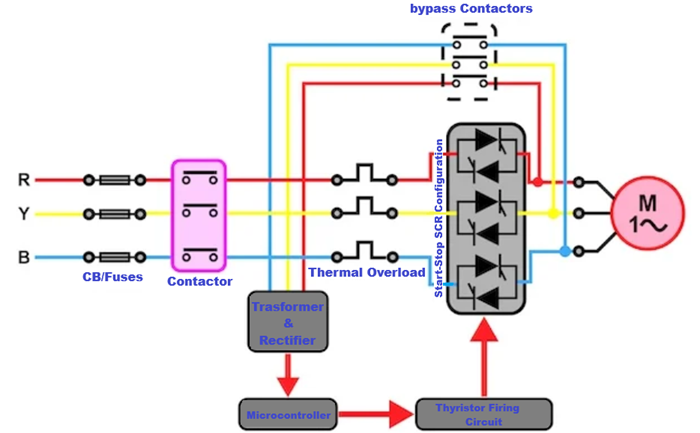
A soft starter is an electronic device that provides a smooth start for AC motors by gradually increasing the supply voltage rather than applying full power instantly. It uses back-to-back thyristors (SCRs) in each phase to control voltage, reducing inrush current and mechanical stress on the motor and equipment. Key Working Principles
Components
Soft starters are widely used for motors in pumps, fans, conveyors, and compressors to improve system longevity and reduce power surges. Core Working Principle The primary mechanism of a soft starter is phase angle control.
Key Benefits
Soft Starter vs. VFD
While both manage startups, they differ significantly in function:
Understanding the Difference Between A VFD And A Soft Starter This table helps in understanding the difference between VFD vs soft start clearly.
|
|
Busbar versus Cables for Riser Applications
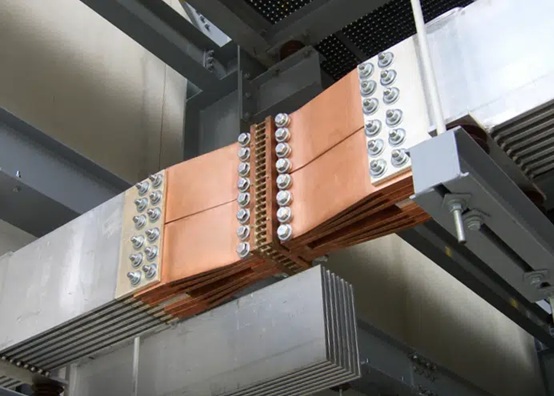
Vertical and horizontal busbar systems are rigid, conductive metal strips (copper or aluminum) used for efficient, high-current power distribution in industrial and commercial buildings. They replace traditional cabling, with horizontal runs distributing power across floors and vertical "risers" supplying multi-story buildings, reducing voltage drop and saving space. Vertical vs. Horizontal Distribution
The orientation of a busbar system depends on the physical layout of the building and where the power needs to go:
Vertical vs. Horizontal Comparison
These systems are essential for modern infrastructure, offering flexible, efficient, and reliable electrical distribution.
Key Distribution Functions
|
|
Open-Loop Communication (Passive)
Open-loop communication in battery systems refers to a setup where the battery management system (BMS) does not share real-time, dynamic data with the inverter or charger. In this passive mode, the inverter operates based solely on fixed parameters (such as voltage, current, and chemistry type) manually entered by the user. This is often considered the "traditional" or "standard" approach, frequently used with lead-acid batteries or earlier generation lithium batteries. Key Characteristics
Advantages
Disadvantages
Open-Loop vs. Closed-Loop
While open-loop works on fixed settings, closed-loop (active) communication enables the battery and inverter to communicate directly (via CAN/RS485), allowing the inverter to adjust voltage and current in real time, which increases safety, longevity, and efficiency.
Comparison At A Glance
|

+(39) 347 051 5328
Italy - Kazakhstan


09.00am to 18.00pm
About
We offer the best and economical solutions, backed by 27+ years of experience and international standards knowledge, echnological changes, and industrial systems.
Our Services
Marketing Materials


Marketing Materials1


