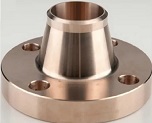
The Copper

One of the best Conductors of Electricity

View Our Services

The Most Common Uses
of copper allow

  • Marine Applications - Automotive and Transportation
  • Industrial Equipment and Machinery - Medical and Healthcare
  • Aerospace and Defense
View Our Services

Benefits of Copper Alloy

  • Strength

  • Excellent electrical and thermal conductivity resistant

  • Ductile

  • Very resistant to corrosion

Meet our Experts

Copper Special Alloy

When you think of copper, you probably imagine a very shiny metal often associated with the look of brand-new pennies. This metal is attractive, antimicrobial, corrosion-resistant, and an excellent conductor. Due to these properties, copper is a popular metal to use for many applications. Unfortunately, this metal is scarce on earth with the consequence that its price day by day will increase. In this page, we will explore the diverse uses and applications of copper alloys.

  • Electrical and Electronics: Copper alloys find extensive use in the electrical and electronics industry due to their exceptional electrical conductivity. The most common copper alloy used in this sector is brass, which is an alloy of copper and zinc. Brass is utilized for manufacturing electrical connectors, terminals, switches, circuit breakers, and various other electrical components. Its excellent conductivity, along with its corrosion resistance, makes it ideal for these applications. Copper alloys are also employed in the production of wiring, cables, bus bars, and printed circuit boards (PCBs), owing to their superior electrical and thermal conductivity properties.
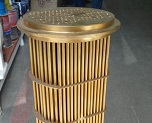
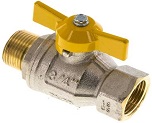
  • Architecture and Construction: Copper alloys have been utilized in architecture and construction for centuries due to their appealing appearance, durability, and corrosion resistance. Brass and bronze, which are copper alloys with zinc and tin, respectively, are frequently used in decorative elements, such as door handles, hinges, handrails, and architectural accents. Copper alloys are also used for roofing, gutters, and downspouts, as they develop an attractive patina over time, providing a unique aesthetic to buildings. Additionally, copper alloys are employed in plumbing systems, valves, fittings, and heat exchangers due to their excellent corrosion resistance and antimicrobial properties.
  • Marine Applications: The marine industry extensively employs copper alloys due to their resistance to corrosion in saltwater environments. Brass and bronze are commonly used in marine applications, including propellers, ship fittings, valves, and piping systems. These alloys' resistance to corrosion ensures longevity and reliability in harsh marine conditions. Furthermore, copper-nickel alloys, such as cupronickel, are used for seawater cooling systems, heat exchangers, and condensers due to their excellent resistance to biofouling and corrosion.
  • Automotive and Transportation: Copper alloys play a vital role in the automotive and transportation industries due to their excellent heat transfer, corrosion resistance, and mechanical properties. Brass and bronze alloys are used in various automotive components, including radiator cores, heat exchangers, connectors, bearings, and bushings. Their ability to withstand high temperatures, as well as their durability and wear resistance, makes them suitable for these applications. Copper alloys are also employed in electrical wiring systems, terminals, and connectors, taking advantage of their excellent conductivity.
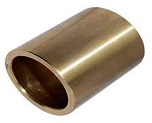
  • Industrial Equipment and Machinery: Copper alloys are utilized in a wide range of industrial equipment and machinery applications. Brass and bronze alloys are commonly found in pump components, valves, fittings, and hydraulic systems due to their corrosion resistance, high strength, and machinability. These alloys can withstand challenging operating conditions, including high pressures and aggressive chemicals. Copper alloys are also used in gears, bearings, bushings, and various mechanical components where low friction, high wear resistance, and dimensional stability are crucial.
  • Medical and Healthcare: Copper alloys are employed in medical and healthcare applications due to their antimicrobial properties. Copper-nickel alloys, such as C70600 and C71500, are commonly used in medical gas distribution systems, sterilization equipment, and components for surgical instruments. These alloys help minimize the risk of bacterial contamination and are resistant to the formation of biofilms. Copper alloys are also utilized in dental instruments, implants, and orthodontic braces due to their biocompatibility, strength, and corrosion resistance.
  • Aerospace and Defense: Copper alloys find essential applications in the aerospace and defence industries. Aluminium bronze alloys are used for aircraft landing gear bushings, bearings, and hydraulic components due to their high strength, fatigue resistance, and corrosion resistance. Copper-nickel alloys, such as Cu-Ni 90/10 and Cu-Ni 70/30, are employed in marine and submarine applications within the defence sector due to their exceptional resistance to seawater corrosion and biofouling. These alloys are utilized for seawater piping systems, heat exchangers, condensers, and other critical components.

The major alloys of copper

UNS-C16200

UNS-C46400

UNS-C86500

UNS-C21000

UNS-C52100

UNS-C22000

UNS C62500

UNS-C28000

UNS-C70600

What is Copper?

Copper is a chemical element with atomic number 29 and the symbol Cu. The Density of copper is 8.96. The atomic number of copper is 29.

  • Copper is a chemical element with the symbol Cu. Atomic Number: 29. Atomic Weight: 63.546 AMU (atomic mass unit).
  • Copper comes from the Latin word cuprum, meaning “from the island of Cyprus.”
  • Copper is man’s oldest metal, dating back more than 10,000 years. A copper pendant discovered in what is now northern Iraq has been dated to about 8,700 B.C.
  • The Egyptians had so many uses of copper that they used the ankh symbol to denote copper in their system of hieroglyphs. Copper also represented eternal life in their culture.
  • The physical properties of copper are one of its most unique features. Other than gold, copper is the only metal that has natural color. Other metals are either gray or white.
  • Copper can be recycled without any loss in properties, making it a logical choice in an era of global sustainability.
  •  Over 400 copper alloys are in use today. Brass is an alloy of copper and zinc, while bronze is an alloy of copper, tin, aluminum, silicon and beryllium.
  • Copper is vital to the health of humans, animals and plants and an essential part of the human diet. Copper-rich foods include dried beans, almonds, broccoli, chocolate, garlic, soybeans, peas, whole wheat products and seafood.
  • Copper maximizes the performance of the products that contain it, helping save energy, CO2, money and lives.
  • Copper is a vital, positive contributor to humankind and has improved our quality of life for centuries.


Copper Grades

Copper is a versatile metal that can be used in a variety of applications. It is an excellent electrical conductor, making it ideal for electrical wiring. It is also resistant to corrosion, making it an ideal choice for plumbing and other water-based applications. Because of its unique properties, copper has been used for thousands of years in a variety of applications. Copper is a chemical element with the symbol Cu (from Latin: cuprum) and atomic number 29. It is a soft, malleable, and ductile metal with very high thermal and electrical conductivity. A freshly exposed surface of pure copper has a pinkish-orange color.

There are four primary grades of commercial copper grades on the market today. They’re all usable for a variety of applications, but each has its own set of characteristics that make it ideal for specific tasks, for this reason, knowledge of this metal is very important

  • Grade 1 (A): Copper is the highest quality copper. It’s 99.9% pure and is used in electrical applications where high conductivity is required.
  • Grade 2 (B): Copper is 99% pure, and is used in applications where a higher level of ductility is needed.
  • Grade 3 (C): Copper is 97% pure, and is used in general engineering applications.
  • Grade 4 (D): Copper is 95% pure and is the most common type of commercial copper.

Grades of Scrap Copper

There are three primary grades of recyclable copper: scrap, virgin, and oxide. Scrap copper includes everything from electrical wiring to plumbing pipes. Virgin copper is mined directly from the earth. Oxide copper is a byproduct of mining and smelting operations.

  • Scrap copper is the most common type of recycled copper. It can be reused in a variety of applications. Electrical wiring is the most common use for scrap copper. Plumbing pipes, gutters, and roofing material can also be made from scrap copper.
  • Virgin copper is mined directly from the earth. This copper is often used in electrical wiring and plumbing applications. Virgin copper is also used in the production of coins, jewelry, and other decorative items.
  • Oxide copper is a byproduct of mining and smelting operations. This copper is often used in electrical applications. Oxide copper can also be used in the production of coins, jewelry, and other decorative items.

Common Uses of Copper

Copper is used across many industries. From household products and jewellery to marine hardware and building materials, copper takes on many different shapes and forms to tackle various projects. Here are some of the best applications for copper:

  • Tube, Pipe & Fittings: Copper tube is the highest quality material available today for a variety of building applications including plumbing, fire sprinklers and more.
  • Electrical: Copper's high conductivity makes it the ideal material for a wide variety of electrical
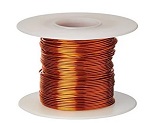
  • Wire: Copper’s high electrical conductivity makes it the safest and most efficient material for wire cores. Unlike silver, it doesn’t burn up when conducting high voltages.
  • Industrial: Copper serves as an essential material in a vast number of industries including electronics.
  • Marine: Copper's unique properties make it ideal for many applications in the harsh environments of marine.
  • Pipes: Copper’s antimicrobial property once again proves extremely useful, and this time in filtration applications. Pipes used to convey water or substances requiring zero-level contamination are often made of copper alloys.
  • Aviation: Copper is a common choice in aviation because it is easily malleable, highly conductible, and resistant to corrosion. Its reliability and multitude of uses makes it one of the most important metals in the aviation industry
  • Architecture: Copper has earned a respected place in the related fields of architecture, building construction, and interior design. From cathedrals to castles and from homes to offices, copper is used for a variety of architectural elements, including roofs, flashings, gutters, downspouts, domes, spires, vaults, wall cladding, and building expansion joints.
  • Tools: Ever wondered what metal your wrenches, pliers, screwdrivers, and other house tools are made of? Judging by their physical features, you can easily tell that they are copper-based. Specifically, most of them are made of beryllium copper, a non-sparking and non-magnetic alloy that works well in hazardous workspaces.
  • Railings: When you’re on the train, on a balcony, or on the stairs, odds are you’ll clutch onto the copper-based railing nearest you. Like table tops, railings are also commonly touched surfaces, which is why they are best made of a metal with antimicrobial properties. They are conspicuous, too, so they must be made of a naturally elegant-looking material.
  • Gutter:It’s probably not the most frugal choice, but a copper gutter is a great addition to your roofing system. It lasts longer, repels mold and mildew, and looks appealing. However, since copper is a little bit more expensive than its galvanized counterpart, you have to be ready to fork out more cash.
  • Musical Instruments: Copper alloys are also valued for their acoustic quality, especially brass, an alloy of copper and zinc. There are so many brass-based musical instruments that an entire subset of them was named brass.
  • Door Knobs and Pull Handles: Maybe you haven’t noticed this but most, if not all, of the door knobs and pull handles you’ve ever held are made partly of copper. They can only be either brass or bronze.

There are just so many uses of copper in everyday life. Over a hundred different copper-based alloys have been discovered since the industrial revolution, and most of them are mass-produced and commercially available. Thanks to reputable copper suppliers like Rotax Metals, you have access to superior materials for your projects.


Properties of Copper

Copper offers many benefits over other metals. Its high thermal and electrical conductivity and corrosion resistance set it apart from the rest, making it the go-to for electrical components, piping and more. Some of copper’s essential properties to be aware of include:

  • Corrosion resistance: While copper will naturally oxidize and form verdigris, the unique green patina found on the Statue of Liberty or old copper roofs, it is extremely durable against rust and degradation.
  • Electrical conductivity: Copper has the second-highest electrical conductivity rating of all metals, making it the preferred material in radios, TVs and other electrical wiring applications.
  • Thermal conductivity: This versatile element is also excellent for transferring heat and cold, making it a beneficial inclusion in car radiators and home HVAC systems.
  • Malleable: Copper is highly malleable and ductile, allowing for convenient stretching, rolling, stamping and forging to create pipes, wires, roofing, bowls and bed frames.
  •  Strength: In its purest form, copper isn’t especially strong, which is why many alloying processes create more durable metals like bronze.
  • High melting point: Copper has a melting point of 1,984.32 degrees Fahrenheit. Melting copper is necessary to mix it with other metals to create an alloy.

Copper Corrosion resistance

90-10 and 70-30 copper-nickels were originally developed for naval condensers and piping. Today, copper-nickels have an established reputation for handling seawater in a wide range of conditions and applications.
Their corrosion resistance is achieved by the formation of a complex surface film which develops by an interaction with the seawater itself, thereby protecting the metal below it. General corrosion rates for 90-10 and 70-30 Cu-Ni alloys in seawater range between 0.025 and 0.0025 mm/yr. For a majority of applications, these rates enable the alloys to last the service lifetime.
Of the wrought copper alloys, copper-nickels have the best resistance to seawater flow velocity. As with all copper alloys, it is important that flow rates remain below the recommended design velocity to avoid erosion-corrosion. In defined conditions of pipework, the maximum flow rate for 90-10 Cu-Ni is normally about 3.5m/s. In more open structures, the hydrodynamic conditions are different and the flow rate before the initiation of erosion can be much higher.
Copper-nickels are not as sensitive to chloride attack as nickel-containing stainless steels might be. They have high resistance to chloride pitting, crevice corrosion, and stress corrosion cracking, even at elevated temperatures. Ammonia stress corrosion cracking, which copper-zinc brass alloys can be susceptible to, is not found with copper-nickels in seawater.

What Makes
us Special?

0
Sucessful Projects
fa fa-cogs
0
Satisfied Clients
fas fa-smile
0
Awards Won
fas fa-shield-alt

Why Choosing Us

30 Years of Experience

We have 27 years of experience in the machining and finishing of precision stainless steel parts.

Award Winning

Complete account of the system, and expound the actual teachings of the great explorer of the truth.

Warranty

Our goal is only one, to always find the best solution for our customers including shipping systems if require.

800+ Sucessful Project

Master builder of human happiness no rejects, dislikes, or avoids pleasure itself consequences .

Honest & Dependable

see our customer feedback

Professional Workers

Know how to pursue pleasure explain tconsequences that are ut extremely seds consequences.

favicon bacd

+(39) 347 051 5328

Italy - Kazakhstan

09.00am to 18.00pm

About

We offer the best and economical solutions, backed by 27+ years of experience and international standards knowledge, echnological changes, and industrial systems.

Marketing Materials

Spring Renovation
Industry
US Gas Company
Construct
Plus Project
Vam Drilling Service
X Project
X Project
Cabrrus Training

Marketing Materials1

Spring Renovation
Industry
US Gas Company
Construct
Plus Project
Vam Drilling Service
ultrasonic sensor
ultrasonic sensor
Cabrrus Training

