
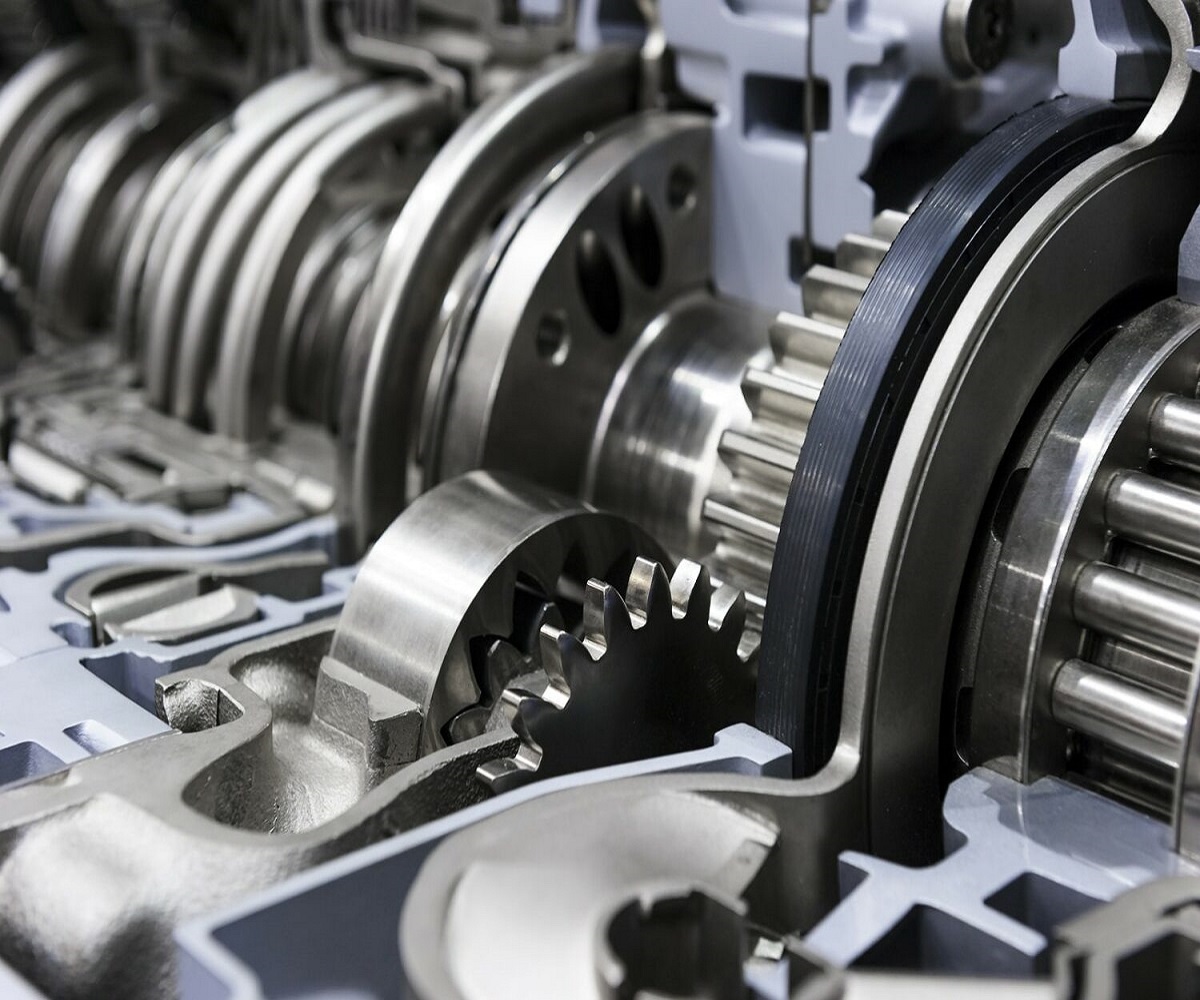
Centrifucal compressor
What is a Centrifugal Compressor used for?
Centrifugal compressors move gas from point A to point B. They’re also used to increase gas pressures. A good example comes from the power generation industry. In power plants, gas turbines require gas inputs to be approximately 250-750 psig – but interstate pipelines move gas at pressures of just 30-125 psig. In order to run turbines in an optimal fashion, the pressure of the gas inputs must be boosted – and centrifugal compressors are used to do this.
How do Centrifugal Gas Compressors work?
Centrifugal compressors elevate gas pressure by adding kinetic energy/velocity to the gas as it flows through an impeller. Kinetic energy increases potential energy/static pressure by slowing the flow through a diffuser. The pressure rise in the impeller (in most cases) is equal to the rise in the diffuser.
As the flow passes through the centrifugal impeller, the impeller forces the flow to spin faster as it gets further from the rotational axis. The energy input applied to the gas flow is proportional to the flow’s local spinning velocity multiplied by the local impeller tangential velocity. The flow leaving the centrifugal impeller travels at an accelerated rate, until it flows through a stationary compressor, which causes it to decelerate, and energy transformation takes place. The reduction in velocity causes the pressure to rise.

+(39) 347 051 5328
Italy - Kazakhstan


09.00am to 18.00pm
About
We offer the best and economical solutions, backed by 27+ years of experience and international standards knowledge, echnological changes, and industrial systems.
Our Services
Marketing Materials


Marketing Materials1


