
|
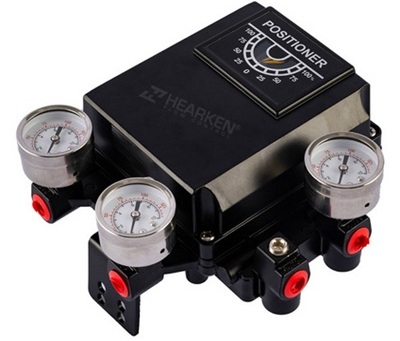
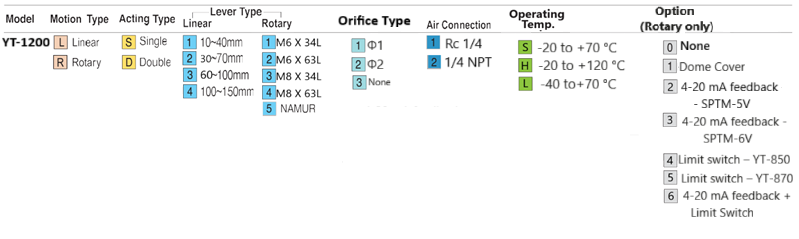
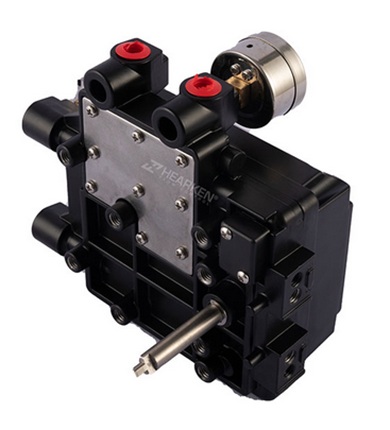
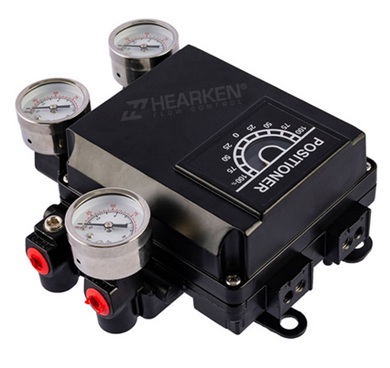
ROTORK /YCT YT-1200 Series - YT-1200RD112L2 The YT-1200 pneumatic positioner controls a valve by receiving a pneumatic input signal to move an actuator to the correct position. It works on a feedback principle: when the input signal changes, the device moves the valve, and a feedback mechanism (e.g., a lever) senses the new position. The device compares the required position with the actual position and exhausts or pressurizes the actuator's chamber with air until the valve reaches the target position and the feedback matches the input signal.
Step-by-step working principle
The working principle step-by-step
Key components
Positioner Transmitter Feature YT-1200RD112L2
|

|
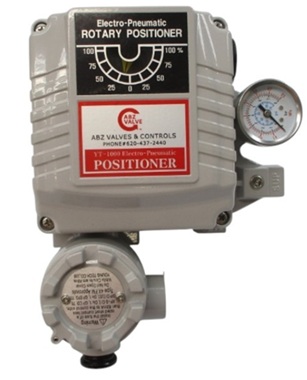
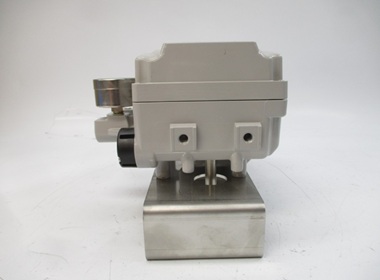
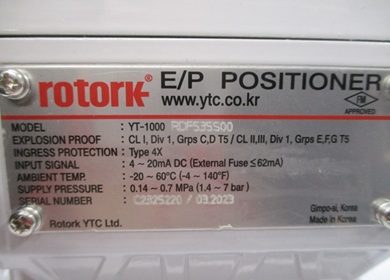
ROTORK /YCT YT-1000 Series - YT-1000RDF535S00 The YT-1000 electro-pneumatic positioner works by converting an electrical input signal into a pneumatic output to precisely control a valve actuator. When the electrical signal increases, a torque motor moves a flapper, which changes the nozzle-flapper gap to drop the back pressure in a pilot valve chamber. This causes an exhaust valve to open, supplying air pressure (OUT1) to the actuator, causing it to rotate. The actuator's rotation is fed back mechanically to a cam, which tensions a feedback spring. The actuator stops when the force from the feedback spring balances the force from the input signal. When the input signal decreases, the process is reversed to move the valve back to the new position.
Detailed explanation
YT-1000 components and their function The key components of the YT-1000 work together to translate the electrical signal into mechanical motion:
Step-by-step working principle
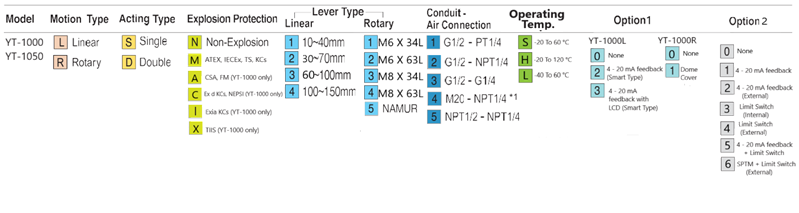
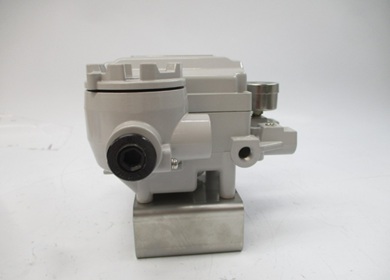
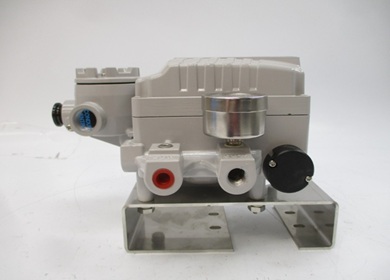
Positioner Transmitter Feature YT-1000RDF535S00
|
|
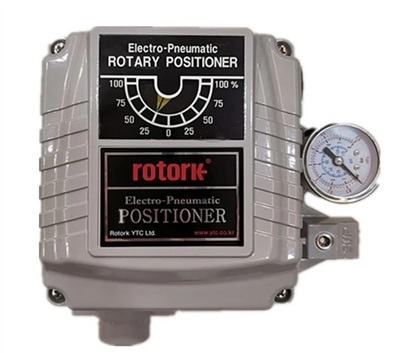
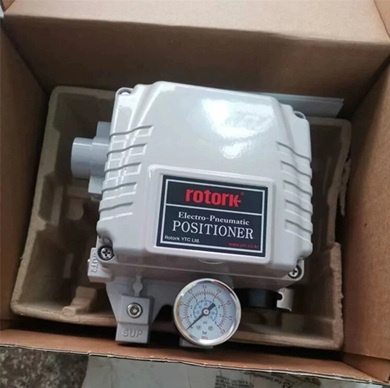
ROTORK /YCT YT-1000 Series - YT-1000LDN132S00 The YT-1000 electro-pneumatic positioner works by converting an electrical input signal into a pneumatic output to precisely control a valve actuator. When the electrical signal increases, a torque motor moves a flapper, which changes the nozzle-flapper gap to drop the back pressure in a pilot valve chamber. This causes an exhaust valve to open, supplying air pressure (OUT1) to the actuator, causing it to rotate. The actuator's rotation is fed back mechanically to a cam, which tensions a feedback spring. The actuator stops when the force from the feedback spring balances the force from the input signal. When the input signal decreases, the process is reversed to move the valve back to the new position.
Detailed explanation
YT-1000 components and their function The key components of the YT-1000 work together to translate the electrical signal into mechanical motion:
Step-by-step working principle
Positioner Transmitter Feature YT-1000LDN132S00
|
Super User
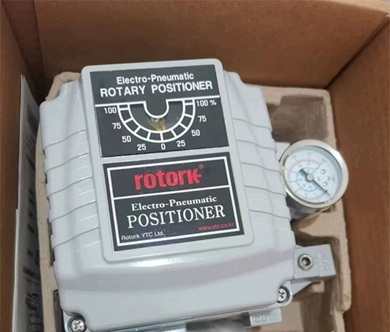
Rotork Positioner
|
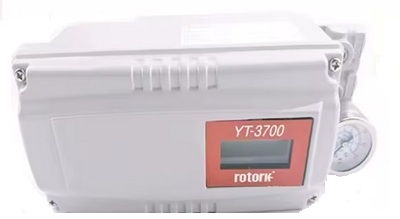
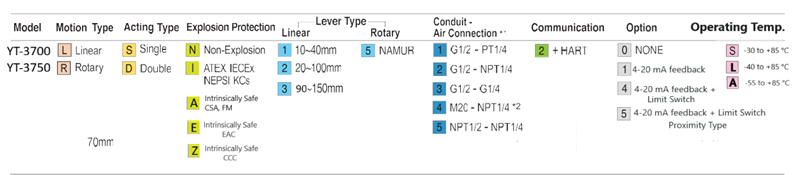
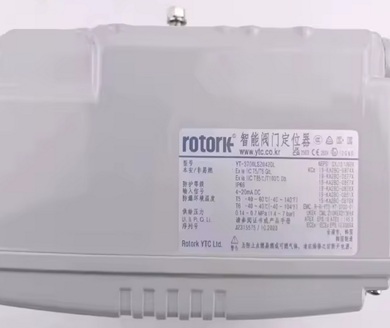
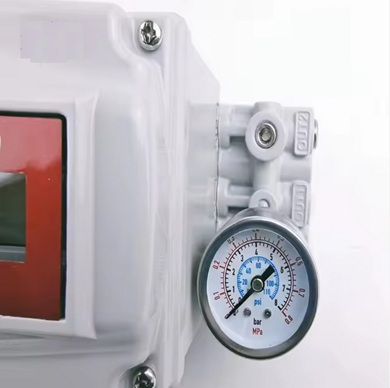
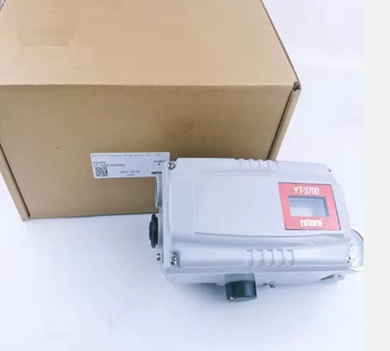
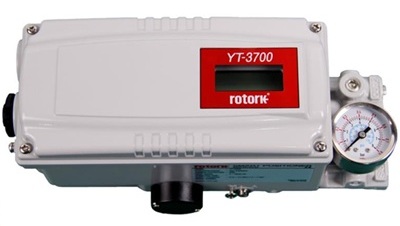
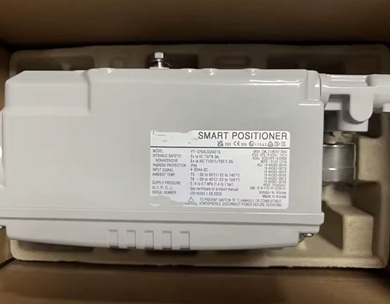
ROTORK /YCT YT-3700 Series - YT-3700LSZ0420L The YT-3700 is a smart valve positioner that accurately controls a valve's position based on a 4-20mA input signal from a controller. Its working principle involves using a built-in microprocessor to interpret the control signal and a non-contact sensor to monitor the valve's actual position, using this data to adjust the valve stroke. Key functions include automatic calibration, PID control, and HART protocol communication for diagnostics and remote monitoring.
Core components and process
Key features and functions
The operational cycle
Key smart features
Positioner Transmitter Feature YT-3700LSZ0420L
|
|
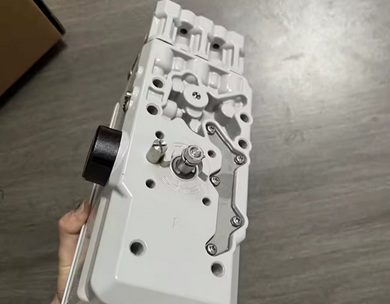
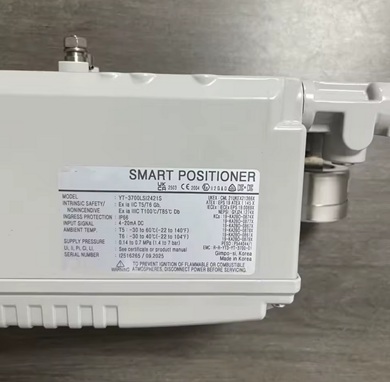
ROTORK /YCT YT-3700 Series - YT-3700LSI2421S The YT-3700 is a smart valve positioner that accurately controls a valve's position based on a 4-20mA input signal from a controller. Its working principle involves using a built-in microprocessor to interpret the control signal and a non-contact sensor to monitor the valve's actual position, using this data to adjust the valve stroke. Key functions include automatic calibration, PID control, and HART protocol communication for diagnostics and remote monitoring.
Core components and process
Key features and functions
The operational cycle
Key smart features
Positioner Transmitter Feature YT-3700LSI2421S
|

+(39) 347 051 5328
Italy - Kazakhstan


09.00am to 18.00pm
About
We offer the best and economical solutions, backed by 27+ years of experience and international standards knowledge, echnological changes, and industrial systems.
Our Services
Marketing Materials


Marketing Materials1


